Foundation Waterproofing Cost in San Antonio
Foundation waterproofing cost in San Antonio depends on your foundation type, how water reaches it, and how much digging, drainage or sealing the fix needs. A small grading or gutter correction is a much smaller job than excavating and sealing a full perimeter. Call to be connected with a local provider who can inspect and give a written quote.
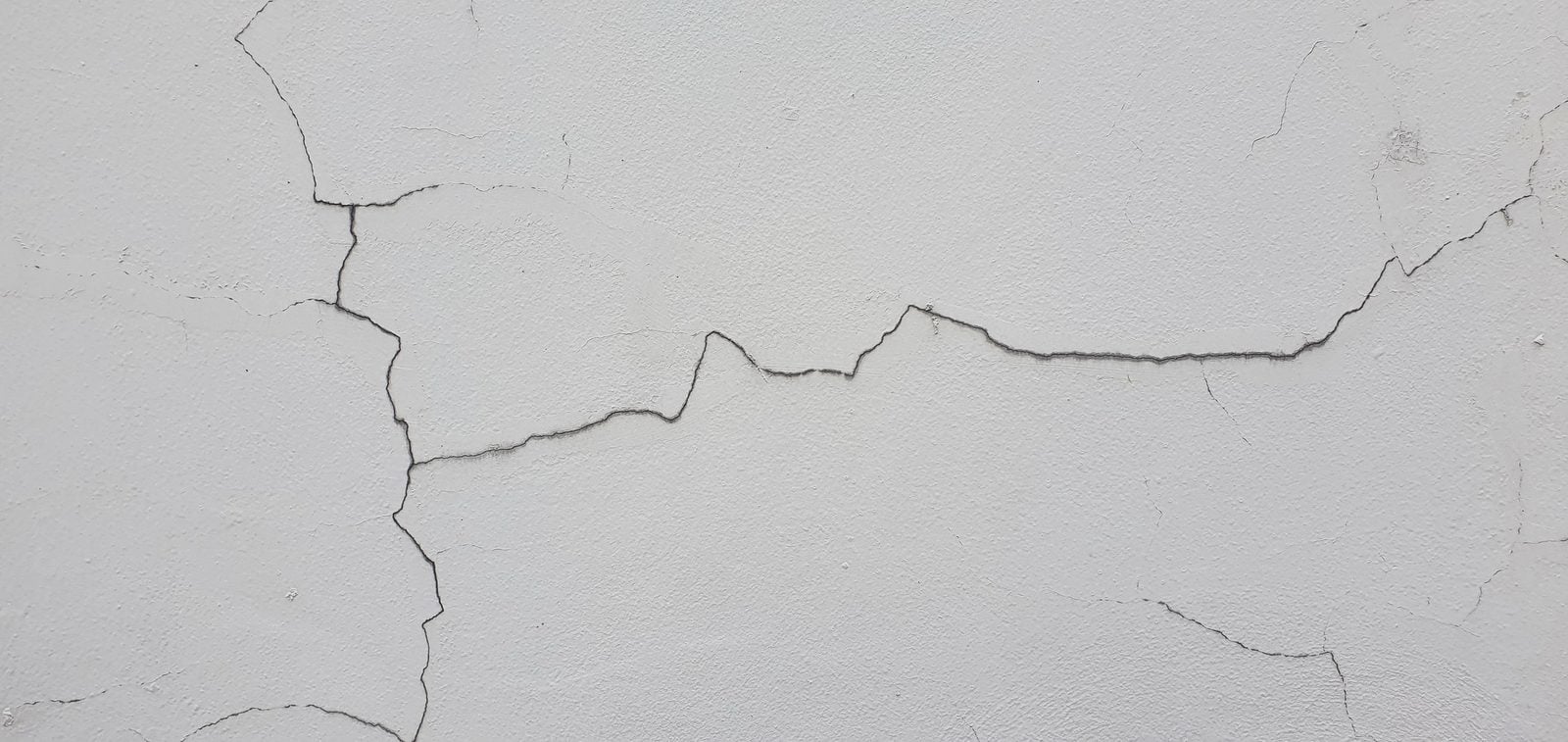
- Most foundation waterproofing work on San Antonio slab homes is really water management: grading, gutters, downspouts and drains that move water away from the slab.
- The biggest cost drivers are foundation type, linear feet of work, excavation depth, access, the method chosen and any repairs needed first.
- Pier-and-beam homes often need crawl space work such as vapor barriers, ventilation or drainage, which is priced differently from slab work.
- The Blackland Prairie, with highly expansive clays that shrink and swell with moisture, extends from north of Dallas south to San Antonio.
- A written quote should list the method, the scope in feet or areas, materials, restoration and what is not included.
How much does foundation waterproofing cost in San Antonio?
Foundation waterproofing cost in San Antonio has no single number because the job can be anything from regrading a flower bed to digging out and sealing an entire foundation wall. The price depends on the foundation type, the source of the water, the size of the work area and the method a provider recommends after an inspection.
It helps to think of the cost in layers. The first layer is diagnosis: finding out where water collects and why. The second is the fix itself, such as drainage, sealing or a crawl space system. The third is everything around it, like removing and replacing landscaping, concrete or sod, and repairing cracks that let water in.
What does foundation waterproofing mean for a slab or pier-and-beam home?
For most San Antonio slab homes, foundation waterproofing means keeping water from pooling against or under the slab edge. For pier-and-beam homes, it usually means controlling moisture in the crawl space. Full basement-style waterproofing is less common here, because most homes do not have basements.
- Slab foundations: work often includes regrading soil so it slopes away from the house, extending downspouts, adding French drains or surface drains, and sealing the exposed slab edge or cracks where water gets in.
- Pier-and-beam foundations: work often includes a crawl space vapor barrier, better ventilation or dehumidification, perimeter drainage and fixing low spots where water stands under the house.
- Below-grade walls: homes with a basement, a partial basement or a retaining wall may need an exterior membrane, interior drain tile or a sump pump.
Knowing which of these your house needs is the first step to understanding the cost. See our crawl space repair page for more on raised foundations.
What are the main factors that drive foundation waterproofing cost?
The main factors that drive foundation waterproofing cost in San Antonio are the foundation type, the length of the area that needs work, how deep crews must dig, how easy it is to reach, the method and materials, and any repairs that must happen first. Each one can raise or lower the final quote.
- Linear feet of work. Drains, membranes and grading are usually measured along the foundation. Treating one corner costs less than treating the whole perimeter.
- Excavation depth. Shallow trenches for a French drain take less labor than digging down to the footing to apply a membrane.
- Access. Driveways, patios, decks, fences, mature trees and tight side yards slow work and may need to be removed and replaced.
- Soil and slope. Heavy clay is harder to dig and drains slowly, and a lot that slopes toward the house may need more regrading.
- Method and materials. Coatings, membranes, drain pipe, gravel, vapor barrier thickness and pumps all vary in price.
- Existing damage. Cracks, a leaking plumbing line or foundation movement may need attention before waterproofing makes sense.
- Restoration. Replacing sod, plants, mulch beds or concrete after the work is often a separate line item.
Need help now? Call to be connected with a local provider in San Antonio who can check availability for your address.
Which waterproofing methods usually cost more, and which cost less?
In general, simple water management costs less and excavation-based sealing costs more. Fixing gutters, extending downspouts and regrading soil near a San Antonio home are smaller jobs. French drains are in the middle. Digging to the footing to apply a membrane, or installing interior drains with a sump pump, are usually the largest jobs.
Here is a rough order from smaller to larger scope:
- Cleaning or adding gutters and extending downspouts away from the slab.
- Regrading soil and flower beds so water runs away from the house.
- Sealing exposed slab edges and small cracks where water enters.
- Surface drains or French drains along one side or the full perimeter.
- Crawl space vapor barriers, ventilation changes or dehumidification.
- Exterior excavation with a waterproof membrane and drain board, or interior drain systems with a sump pump.
A bigger method is not always better. If downspouts dump water next to the slab, a membrane will not solve that. Our drainage correction and root barriers page explains the lighter options.
Do I need foundation repair before waterproofing?
Sometimes. If your San Antonio home shows signs of foundation movement, such as wide or growing cracks, sticking doors or sloping floors, have the foundation looked at before you pay for waterproofing. Sealing over an active problem can hide it, and leveling work later may disturb new drains or coatings.
Water and movement are often linked. Water pooling at one side of a slab can make clay soil swell there while other sides stay dry. That uneven moisture is one reason providers often look at drainage and foundation condition together. If signs are severe, ask for a qualified inspection or a structural engineer's opinion before deciding on any repair or waterproofing plan.
How can I keep foundation waterproofing costs down?
You can keep foundation waterproofing costs down in San Antonio by fixing simple water problems first, documenting where water collects, and asking for a scope that matches the actual problem. Many homes need better drainage, not the largest system on the market.
- Watch a heavy rain. Walk outside during or right after a storm and photograph where water pools, where gutters overflow and where downspouts empty.
- Clean gutters. Clogged gutters spill water right at the slab edge.
- Check flower beds. Beds edged with borders can trap water against the foundation. Soil and mulch piled above the slab edge can also hold moisture there.
- Ask about phases. A provider may be able to start with the side that has the worst water and add more later if needed.
- Keep records. Dated photos help the provider see the pattern and can help you compare quotes.
How do I compare foundation waterproofing quotes?
To compare foundation waterproofing quotes in San Antonio, line up the scope, not just the total. Check that each quote names the same method, the same length or area of work, similar materials and the same restoration. A lower total may simply cover less of the house.
Questions to ask each provider:
- Where is the water coming from, and how did you confirm it?
- Which method do you recommend, and why that one instead of a simpler fix?
- How many linear feet or which sides of the house does this cover?
- What materials will you use, and how deep will you dig?
- Is landscaping, concrete or sod replacement included?
- Do you see any foundation movement or plumbing issue that should be handled first?
- What would make the price change once work starts?
Get every answer in writing, and ask about any line that is unclear before you sign.
What happens during a foundation waterproofing visit?
During a foundation waterproofing visit in San Antonio, the provider inspects the outside of the house, checks gutters, downspouts and grading, looks at the slab edge or crawl space, and notes any cracks or signs of movement. Then they explain your options and give you a written quote before any work begins.
Inside, they may check for damp flooring, musty smells or cracks near doors and windows. Under a pier-and-beam home, they may look at standing water, the vapor barrier and wood framing. Have your rain photos ready and share when you first noticed the problem. You decide whether to move forward. Learn more on our foundation inspection page.
Why do San Antonio soil and weather affect waterproofing cost?
San Antonio soil and weather shape both the problem and the fix. The Blackland Prairie extends from north of Dallas south to San Antonio, and USDA NRCS says its Houston Black clays shrink and swell markedly with changes in moisture. The NRCS soil description reports cracks 1/2 to 4 inches wide at 12-inch depths during dry periods, which gives water an easy path down along a foundation after the next storm.
Rain here can arrive fast. The Lower Colorado River Authority says the Texas Hill Country is known as Flash Flood Alley because it has one of the greatest risks for flash floods in the United States. July 2002 was San Antonio's wettest July on record, with 16.92 inches at the airport. Drainage has to handle heavy bursts, not just light showers, and that can affect how large a drain system needs to be.
Then the heat dries everything out. NWS normals show San Antonio averages 122.4 days a year with highs of 90°F or above. Since NAHB reports that 97.9% of new single-family homes in the West South Central division were built on slabs in 2024, most local waterproofing quotes focus on slab-edge drainage. Whether you live in Helotes, Stone Oak, Boerne or Universal City, a provider will look at how your lot handles both wet and dry spells. A homeowners policy will not pay for flooding, per TDI, so check whether you need separate flood coverage. See our Helotes foundation repair page for local details.
Related pages
Questions people ask
How much does foundation waterproofing cost for a house in San Antonio?
It depends on the foundation type, how much of the house needs work, how deep crews must dig and the method used. A provider can give you a written quote after an inspection, so call to be connected with a local provider in San Antonio.
Why is it so hard to find a straight answer on foundation waterproofing prices?
Because the job varies so much from house to house. One home needs a downspout extension, another needs a full perimeter drain, and both are called waterproofing. The scope sets the price.
What is the least expensive way to keep water away from my foundation?
Simple water management is usually the smallest job. Clean gutters, extend downspouts away from the slab and make sure soil slopes away from the house. If water still pools, ask a provider about drainage options.
Do slab homes in Texas even need foundation waterproofing?
Most slab homes need water control rather than full waterproofing. Good grading, gutters and drains keep water from pooling at the slab edge, which matters on clay soil that swells when wet.
Is a French drain more expensive than regrading my yard?
Usually, yes. A French drain needs a trench, pipe, gravel and restoration, while regrading moves soil near the house. Which one you need depends on where water collects and how your lot slopes.
Why does excavation make foundation waterproofing cost more?
Digging down along the foundation takes more labor, more time and more restoration. Crews may also have to remove and replace walkways, plants or concrete to reach the wall.
Does pier-and-beam crawl space waterproofing cost more than slab waterproofing?
It can go either way. Crawl space work depends on the size of the space, how easy it is to get into, and whether it needs a vapor barrier, drainage, ventilation or a dehumidifier. A slab job depends mostly on perimeter drainage.
Can I waterproof my foundation myself to save money?
You can handle the basics yourself. Cleaning gutters, extending downspouts and pulling mulch away from the slab edge are safe DIY steps. Digging near the foundation, cutting concrete or working near buried utilities should be left to a provider, and buried lines must be marked before anyone digs.
Will waterproofing stop my foundation from moving?
Not by itself. Waterproofing and drainage help keep soil moisture more even, but they do not lift or support a foundation that has already moved. If you see signs of movement, get a foundation inspection first.
Should I get my foundation repaired before I pay for waterproofing?
If there are signs of movement, yes, have it inspected first. Repair work like leveling can disturb new drains or coatings, and sealing over an active problem can hide it.
What questions should I ask before I sign a foundation waterproofing quote?
Ask where the water is coming from, why the recommended method fits, how many feet it covers, what materials are used and whether restoration is included. Also ask what could change the price once work starts.
How do I know if water is getting under my slab foundation?
Look for water pooling along the slab after rain, damp spots on floors near exterior walls, musty smells or soil washing away at the slab edge. A provider can check grading and drainage to find the path.
Can a plumbing leak make it look like I need foundation waterproofing?
Yes. A leak under the slab can keep soil wet even in dry weather. If the wet area does not match rain patterns, ask about a plumbing check before you pay for drainage work.
Does clay soil in San Antonio make waterproofing more complicated?
It can. The expansive clays of the Blackland Prairie, which reaches south to San Antonio, shrink and swell with moisture, drain slowly and are harder to dig. Those traits can affect both the method and the labor involved.
Will my homeowners insurance pay for foundation waterproofing in Texas?
Check your policy, because coverage depends on its terms. TDI says homeowners policies will not pay for flooding or wear and tear, and lists damage to foundations or slabs as an optional add-on, so read your policy and ask your agent.
Is foundation waterproofing worth it if I am selling my San Antonio house?
It can be, if the inspection report notes drainage or water problems. Buyers and inspectors often look for pooling water and poor grading. A written quote and records of completed work help you answer questions during the sale.
Who do I call about foundation waterproofing in San Antonio?
Call the number on this page to be connected with a local provider serving San Antonio, Helotes, Stone Oak, Boerne, Universal City and nearby areas. They can inspect, explain your options and give you a written quote.
Talk to someone about your foundation problem
Call to be connected with a local provider who can check availability for your address and explain the next step.