
Slab Foundation Repair
Support for the sections of a slab that have dropped, planned from elevation readings rather than from the cracks alone.
Slab Foundation RepairSchertz sits on the deep clay east of San Antonio, and its subdivisions were built steadily from the 1970s through the 2000s on slab-on-grade foundations. San Antonio Foundation Fix sees the same seasonal pattern here year after year, and measures each house before quoting.
Support for the sections of a slab that have dropped, planned from elevation readings rather than from the cracks alone.
Slab Foundation Repair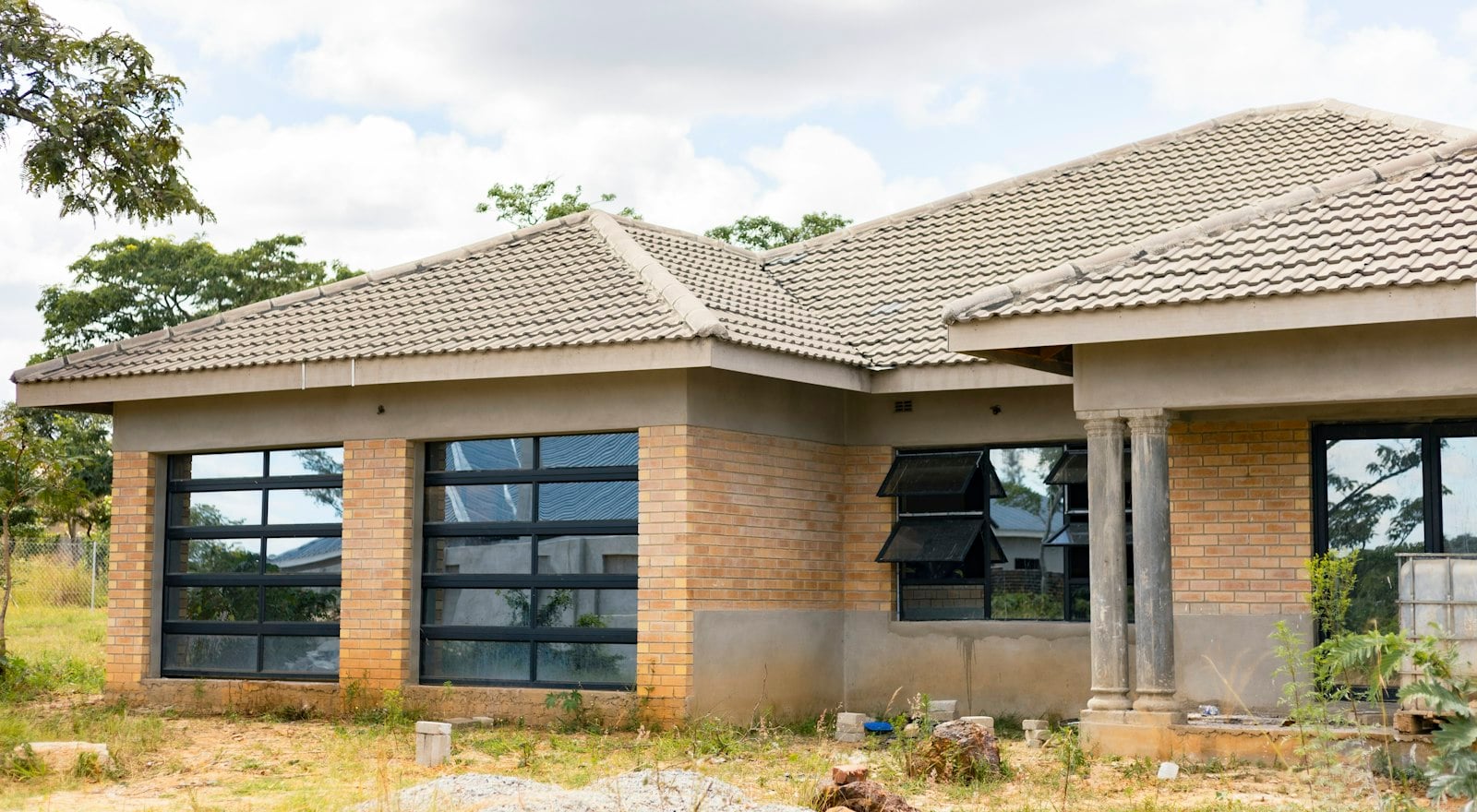
Bringing the low side of the house back up in stages, watching what the doors and walls do as it goes.
Foundation Leveling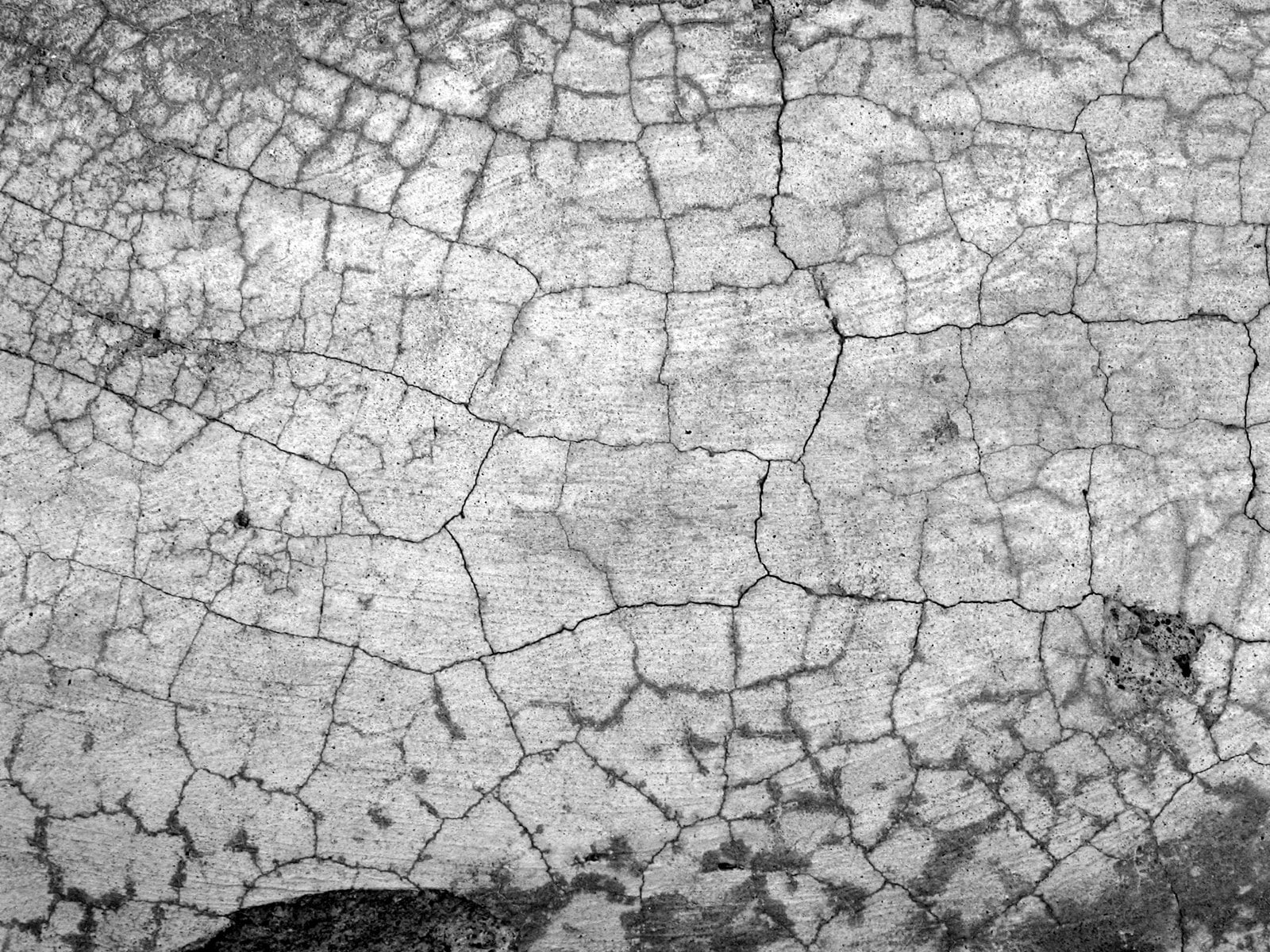
Getting water away from the wall and keeping large tree roots from drying the clay out under the slab.
Drainage and Root BarriersThis is classic expansive clay country. The ground swells after a wet spell and shrinks back through a hot, dry summer, and the slab above it goes along for the ride. Cracks that open in August and close after a few good rains are the signature of it.
Housing along FM 3009 and out toward the I-35 corridor covers three decades of building standards. A 1978 slab, a 1995 slab and a 2006 slab were not built to the same detail, and they do not respond to the same soil in the same way.
Many lots here are flat, which sounds ideal until water has nowhere to go. Grading that has settled over twenty years often now runs slightly toward the house rather than away from it, and that is a solvable problem.
If they open in late summer and close in winter, say so. That seasonal pattern points straight at soil moisture rather than at a structural failure.
Tell us where water sits after a heavy rain and whether the downspouts discharge at the corners. On flat lots this is often the main cause.
Build era gives a useful starting point for what the slab is likely to be and how it has been behaving since.
The good news on the east side is that a lot of movement here is seasonal and reversible. Keeping soil moisture steady around the perimeter, getting roof water away from the wall and watering through a dry summer can settle a house that looks alarming in September.
Where readings show the slab has genuinely dropped, leveling and piers come into it, and the pier comparison explains the two types you will be offered on clay this deep.
Neighboring foundation repair in Converse deals with much the same ground and housing. See the service areas page for everywhere else we cover.
On deep clay, pier depth is usually the biggest factor, along with how many are needed. San Antonio Foundation Fix takes elevation readings first and gives a written quote based on them. Book a foundation inspection to get that number.
San Antonio Foundation Fix covers Schertz, including the subdivisions along FM 3009 and out toward the interstate. Send your address and what you have noticed through the service request page.
Usually yes, depending on the week. Inspections are booked appointments, so give us a day or two that suit and we will confirm the nearest one.
On its own, no. It is a sign the frame has moved. Treat a door that suddenly will not close at all, a cracked brick ledge or a floor that has started sloping noticeably as a reason to book promptly rather than wait for the next season.
If the movement is seasonal and the readings are mild, watering and drainage may be all you need. If the slab has dropped and stayed down, watering will not lift it. Our post on repairing now or waiting works through it.
Because the clay under the slab loses moisture and shrinks, and the house follows it down at the edges. After a wet winter it swells back and the cracks close up again. Keeping that moisture steadier is the point of foundation watering.
Tell us what the house is doing and we will plan the visit around your address.