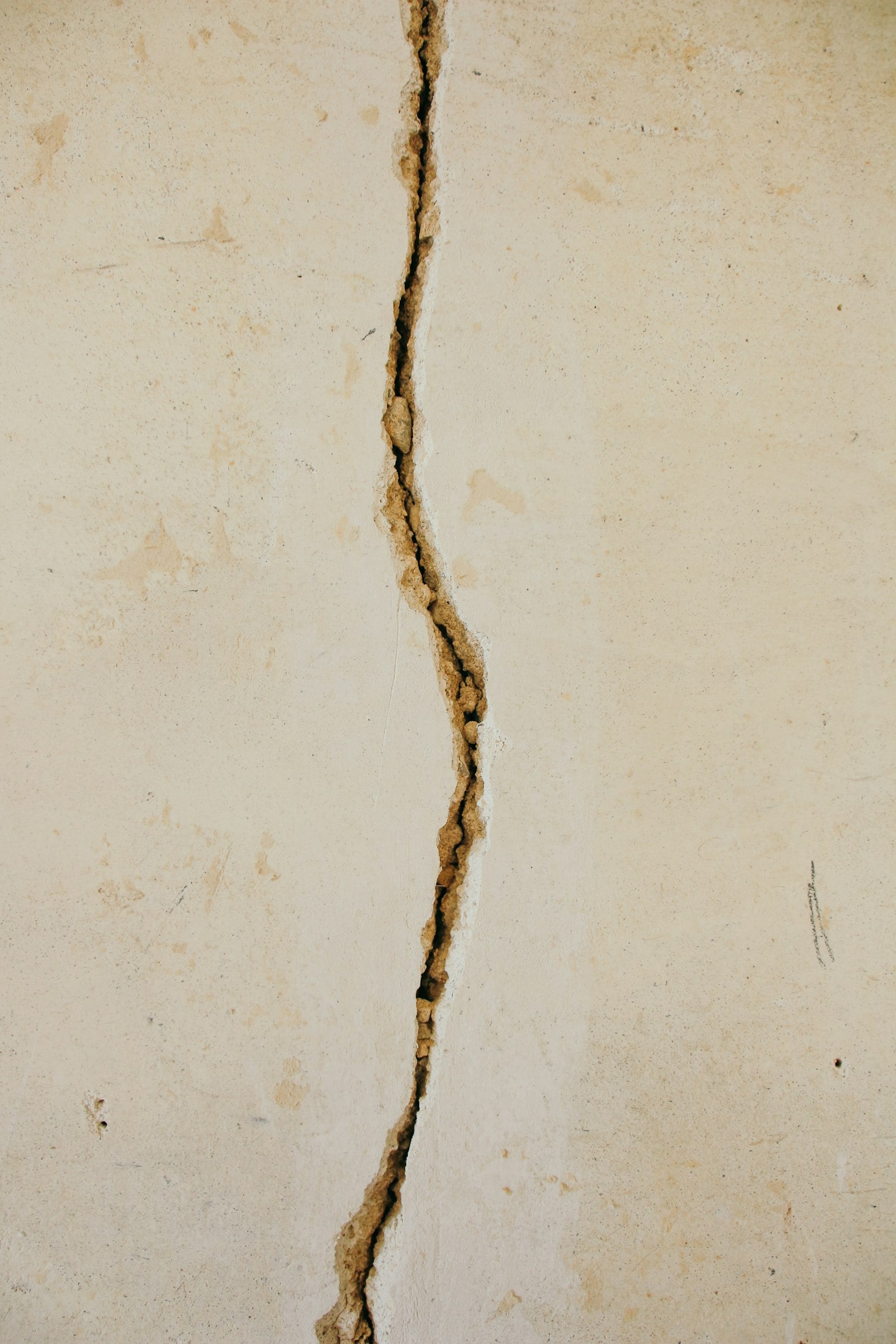
Foundation Inspection
Elevation readings, a crack survey and a plain answer about whether repair is warranted yet.
Foundation InspectionCastle Hills is a small city inside San Antonio, mostly built in the 1950s and 1960s on generous lots with mature trees close to the houses. San Antonio Foundation Fix inspects these homes for both settlement and the tree-and-soil problems that come with a well-established yard.
Elevation readings, a crack survey and a plain answer about whether repair is warranted yet.
Foundation Inspection
Support for the sections of a slab that have dropped, planned from elevation readings rather than from the cracks alone.
Slab Foundation Repair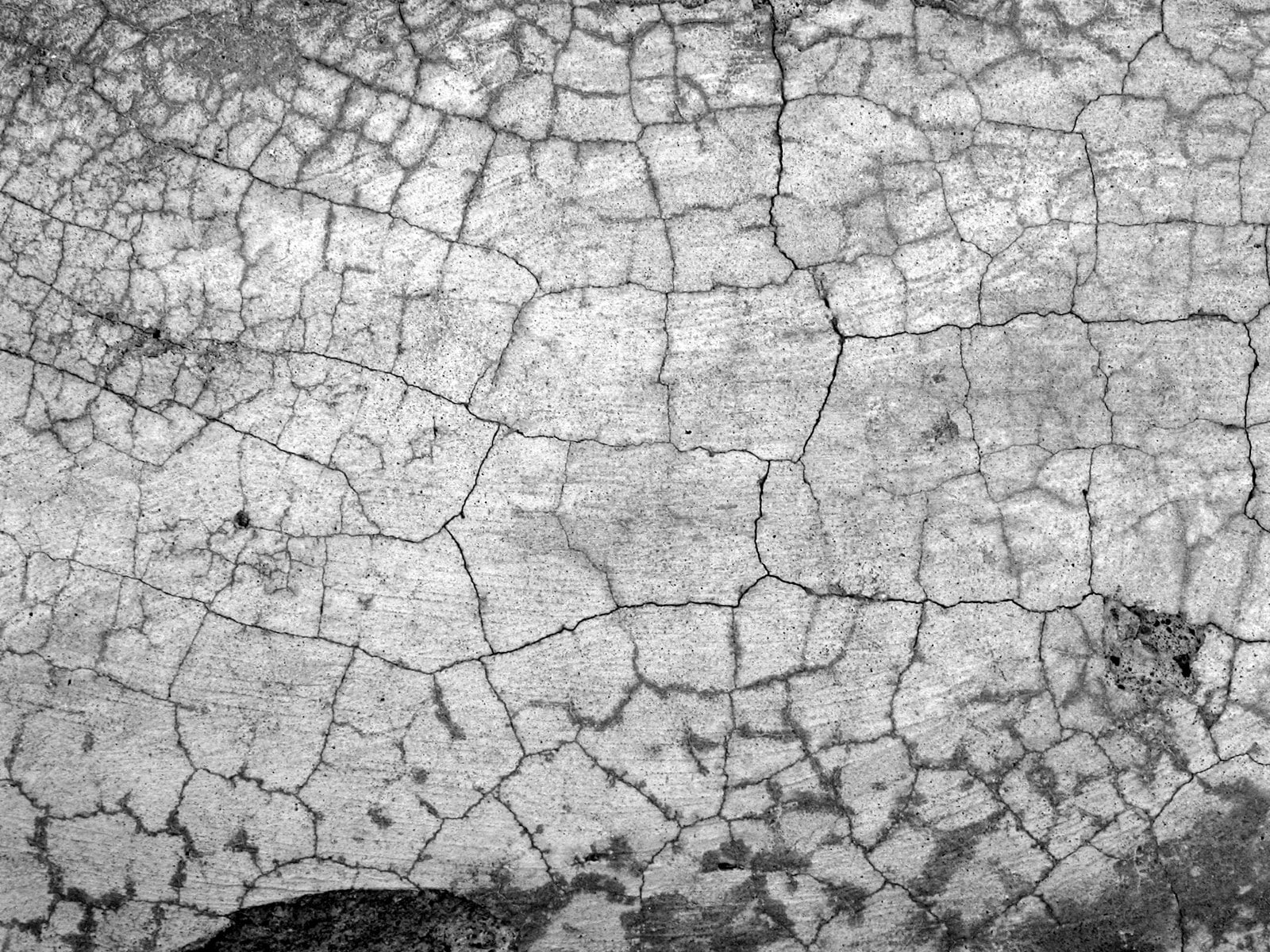
Getting water away from the wall and keeping large tree roots from drying the clay out under the slab.
Drainage and Root BarriersMid-century homes here sit on early slabs and, in places, on pier and beam. Sixty-year-old slabs were built to standards that have since changed, so the way they respond to the clay and limestone mix under this part of the city is worth measuring rather than assuming.
The trees are the other half of the story. Oaks planted when these houses were new are now large, and their roots reach well under the yard. In a dry summer they pull moisture out of the soil right where the foundation needs it to stay steady.
Lots here are large enough that landscaping, pools and additions have often been added over the decades. Each of those changes where water goes, and water is usually what the foundation is responding to.
Early slab, pier and beam, or a mix after a remodel. If you know, tell us; if not, the inspection establishes it before anything else.
Note anything large within reach of the foundation. A root barrier is often a better answer than removing a tree that has been there sixty years.
Later structures change drainage and load. Mention anything added after the original build, with rough dates if you have them.
A house of this age with hairline cracking and doors that move a little with the season is often entirely normal. What changes the picture is measurable slope across the floor, cracking that has widened recently, or separation between an addition and the original structure.
Where trees are the driver, a root barrier and drainage work can settle things without structural repair. Where the slab has dropped, piers and the pier type comparison become the conversation.
Nearby foundation repair in Alamo Heights covers housing of a similar and slightly older era. The complete coverage list is on the service areas page.
It follows the survey, and on older homes the answer is often less than people expect because drainage and root work solve part of it. San Antonio Foundation Fix measures first and quotes in writing. Book a foundation inspection to find out.
San Antonio Foundation Fix covers Castle Hills and the surrounding neighborhoods inside Loop 410. Send the address and what you have noticed through the service request page.
Usually. These are scheduled appointments, so tell us which days work and we will confirm the nearest available visit.
Removing a large mature tree can cause its own problems, because soil that has been dried out for years slowly takes up water again and swells. Talk it through before cutting anything down — a root barrier is often the safer option.
Full replacement is very rare in residential work here. Supporting the sections that have dropped and fixing what caused it is almost always the route. See foundation leveling for what that involves.
They contribute by drying the clay out in summer, particularly on the side of the house they shade. That is a moisture problem rather than roots lifting concrete, and it is what foundation watering and root barriers are for.
Tell us what the house is doing and we will plan the visit around your address.