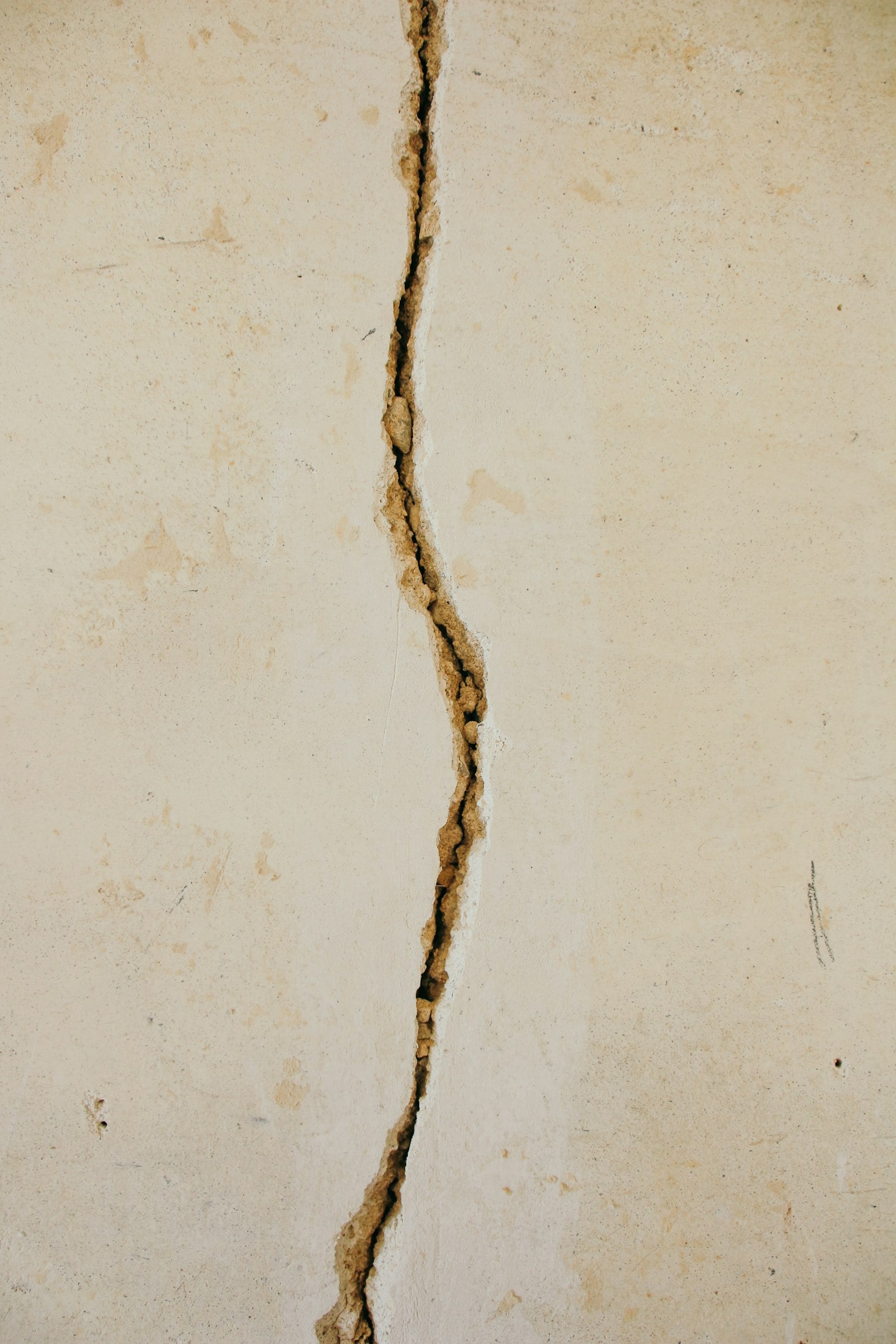
Foundation Inspection
Elevation readings, a crack survey and a straight answer about whether repair is warranted yet.
Foundation InspectionBoerne sits up the I-10 corridor northwest of San Antonio, in Hill Country where limestone is often only inches under the grass and the soil over it is thin. San Antonio Foundation Fix inspects houses here, from the older places near the historic downtown to custom homes on acreage out toward Highway 46, and explains what the readings mean.
Elevation readings, a crack survey and a straight answer about whether repair is warranted yet.
Foundation Inspection
Beams, piers, shims and ground moisture under the older raised houses in and around town.
Crawl Space Repair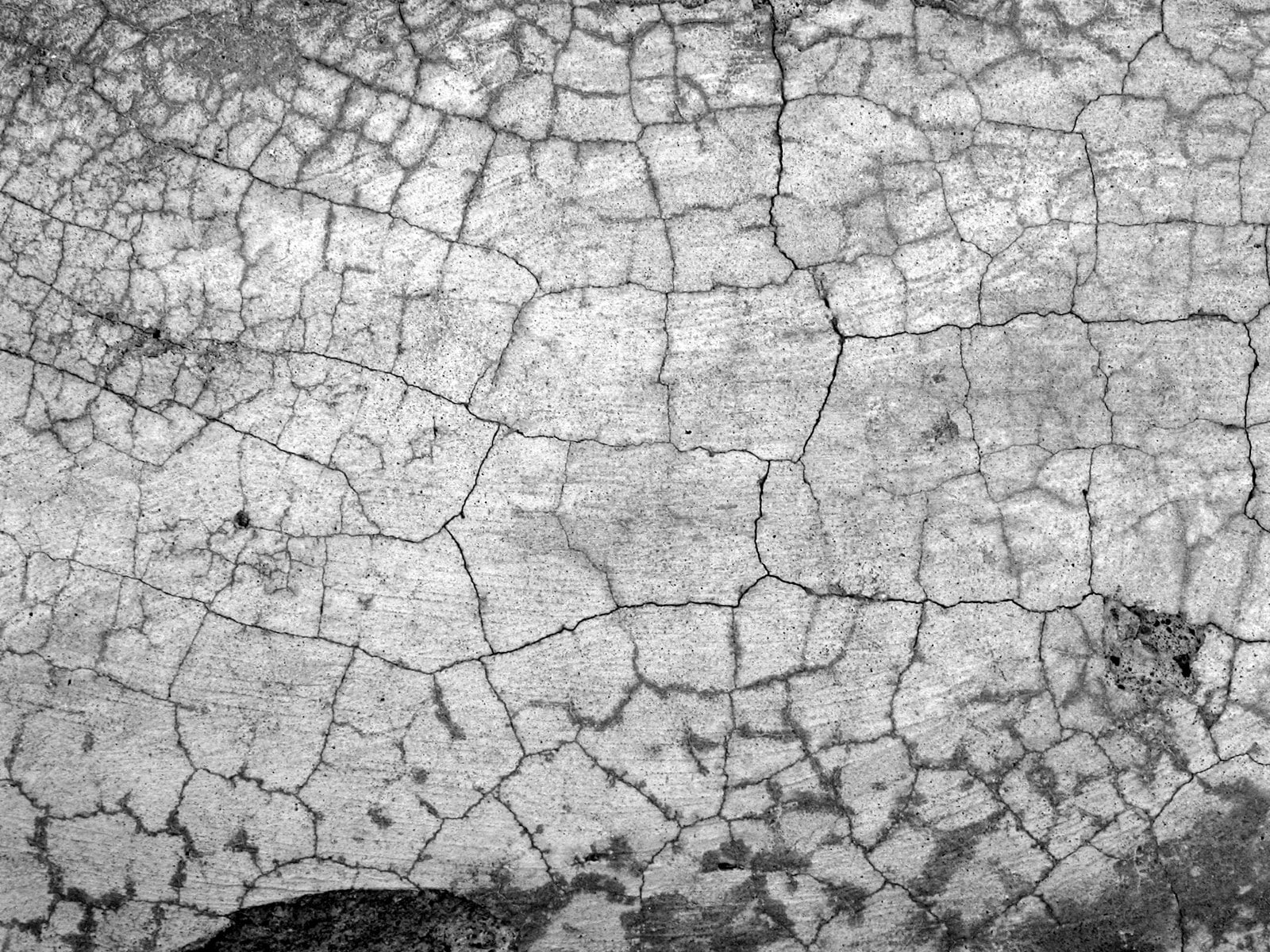
Steering runoff away from the wall on a sloped lot and keeping big roots out of the soil pockets.
Drainage and Root BarriersGround conditions around Boerne change over a few steps. Limestone comes close to the surface across much of Kendall County, and the soil sitting on it is often shallow. Between the ridges there are pockets of clay, and on a graded building pad there is usually imported fill as well. A house can be founded on rock at one corner and on made ground at the other, which is exactly the situation that produces cracking.
Rain behaves differently here too. Water runs off rock and thin soil quickly, heads for the low ground and the creeks, then the surface dries out hard through a long summer. Where that runoff crosses a lot and reaches a wall, the soil at that spot goes through a wet and dry cycle that the rest of the house never sees.
Properties out here are often large, gated and set well back from the road, and many are on a well and a septic system. Tell us about the driveway, the gate and where the septic field sits when you book, so the visit reaches the right building and nothing gets driven over that should not be.
If the builder cut into a slope, brought in fill or left a retaining wall behind the house, say so. Made ground and rock settle at completely different rates.
Point out the path runoff takes in a heavy downpour, including anything coming off a neighboring property uphill. It is often the single most useful thing an owner can tell us.
Gate codes, long driveways, well heads and septic fields all change how an inspection and any later work are carried out. A quick description saves a wasted visit.
Thin soil over rock tends to produce sharp, obvious cracking in stone, stucco and mortar without the house as a whole having dropped very far. It can also be the reverse, where a quiet hairline sits above a corner that has moved a real amount. Elevation readings are the only way to tell those two stories apart, and they are what a sensible quote is built on.
Where water turns out to be the cause, drainage correction is the first thing to look at and costs far less than structural work. Where support is genuinely needed, foundation piers explains how depth and placement are decided on rocky ground, and the pier comparison covers the choice you will be offered. Cracks that are unnerving but not yet explained are covered on the crack repair page.
Closer to the city, foundation repair in Helotes deals with the same mix of rock and clay on the Hill Country edge. The whole coverage list is on the service areas page.
It depends on how many support points the survey calls for and how the ground behaves at your address, since rock can make one pier shallow and the next one awkward. San Antonio Foundation Fix measures the floor, explains what is moving and puts the price in writing. Start with an inspection.
San Antonio Foundation Fix covers Boerne and the surrounding Kendall County properties, including homes near the historic downtown and acreage lots further out. Send the address and a short description through the service request page.
Usually. Inspections are booked appointments rather than emergency call-outs, so tell us which days suit you and whether there is a gate code, and we will confirm the nearest available time.
In most cases yes, but treat sudden wide cracking, a door frame that has visibly racked or a floor that feels soft underfoot as a reason to get it looked at promptly rather than whenever it suits. Keep weight off any floor that gives, and do not try to lift or prop anything yourself.
Around here it is often seasonal, because thin soil dries out fast and rebounds after rain. Repeat elevation readings across a few months are what separate movement that comes back from movement that does not. Our guide on repairing now or later sets out how that decision is usually made.
It changes the planning rather than the readings. We need to know where the tank, the field and the well head sit so equipment and any later excavation stay clear of them. Mention it on the request page and we will plan the visit around it.
Give us the address, tell us what the house is doing and mention any gate or long driveway.