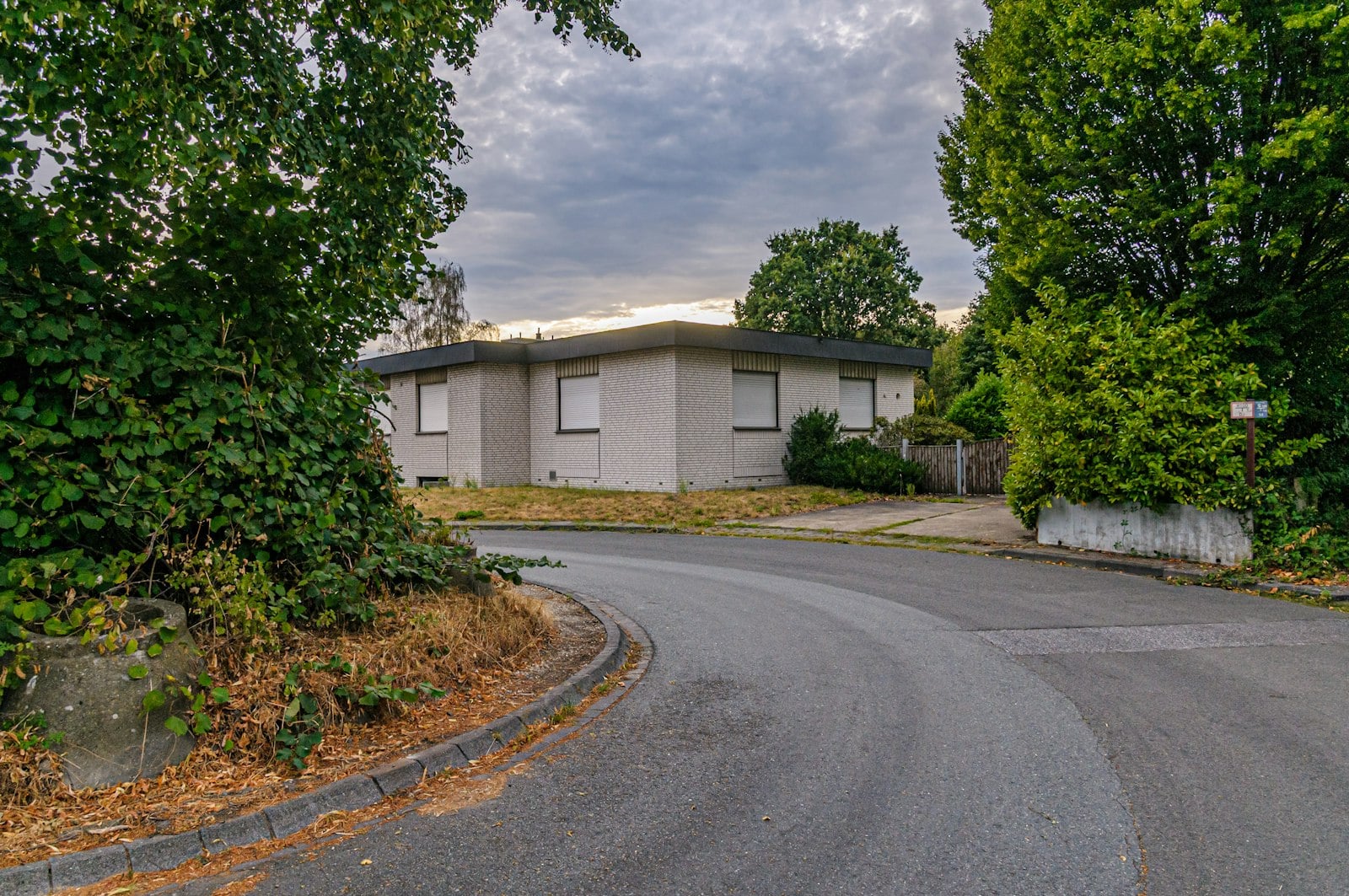
Alamo Heights, TX
Homes from the 1920s to the 1940s, many on pier and beam with later slab additions, under some of the biggest live oaks in the city.
View Alamo Heights serviceSan Antonio Foundation Fix connects callers across San Antonio and the communities below with independent foundation repair providers. Give the full property address, because the ground under a house on the east side behaves nothing like the ground under one north of Loop 1604.
Homes from the 1920s to the 1940s, many on pier and beam with later slab additions, under some of the biggest live oaks in the city.
View Alamo Heights service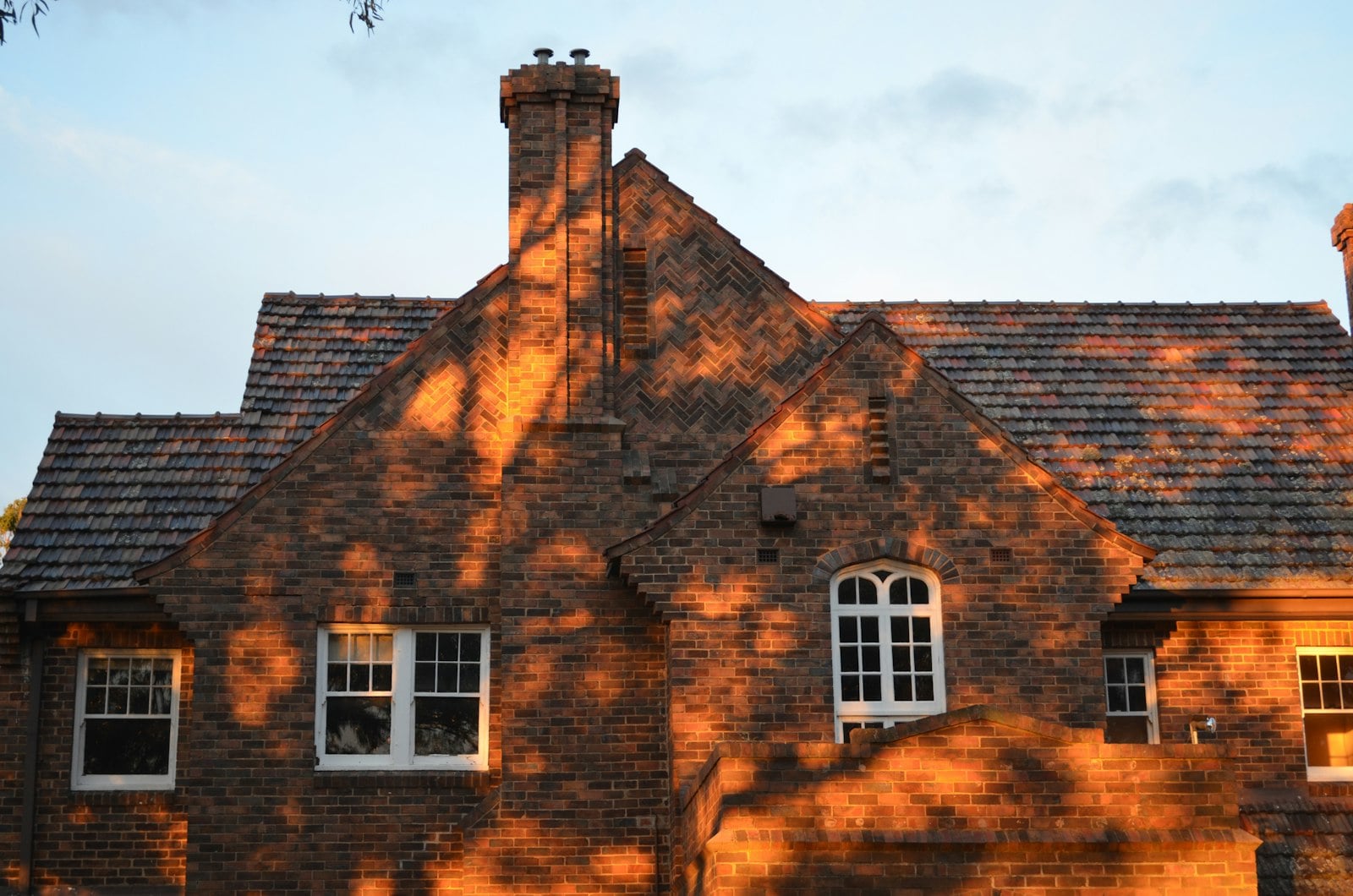
Newer two-story homes on hillside pads north of Loop 1604, where shallow limestone and cut-and-fill lots both play a part.
View Stone Oak service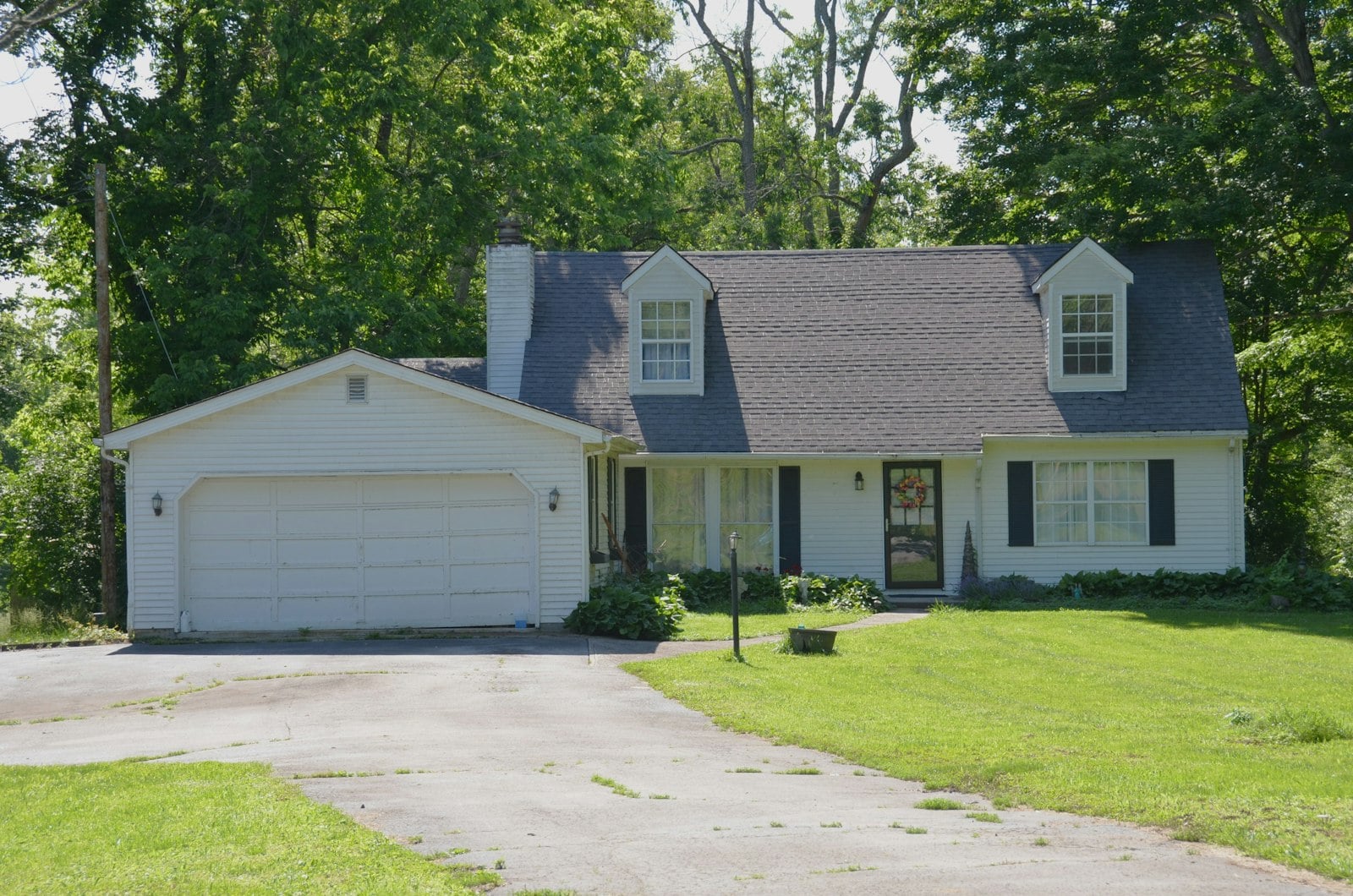
Hill Country edge lots where the drill hits rock in one corner of the house and clay in the other.
View Helotes service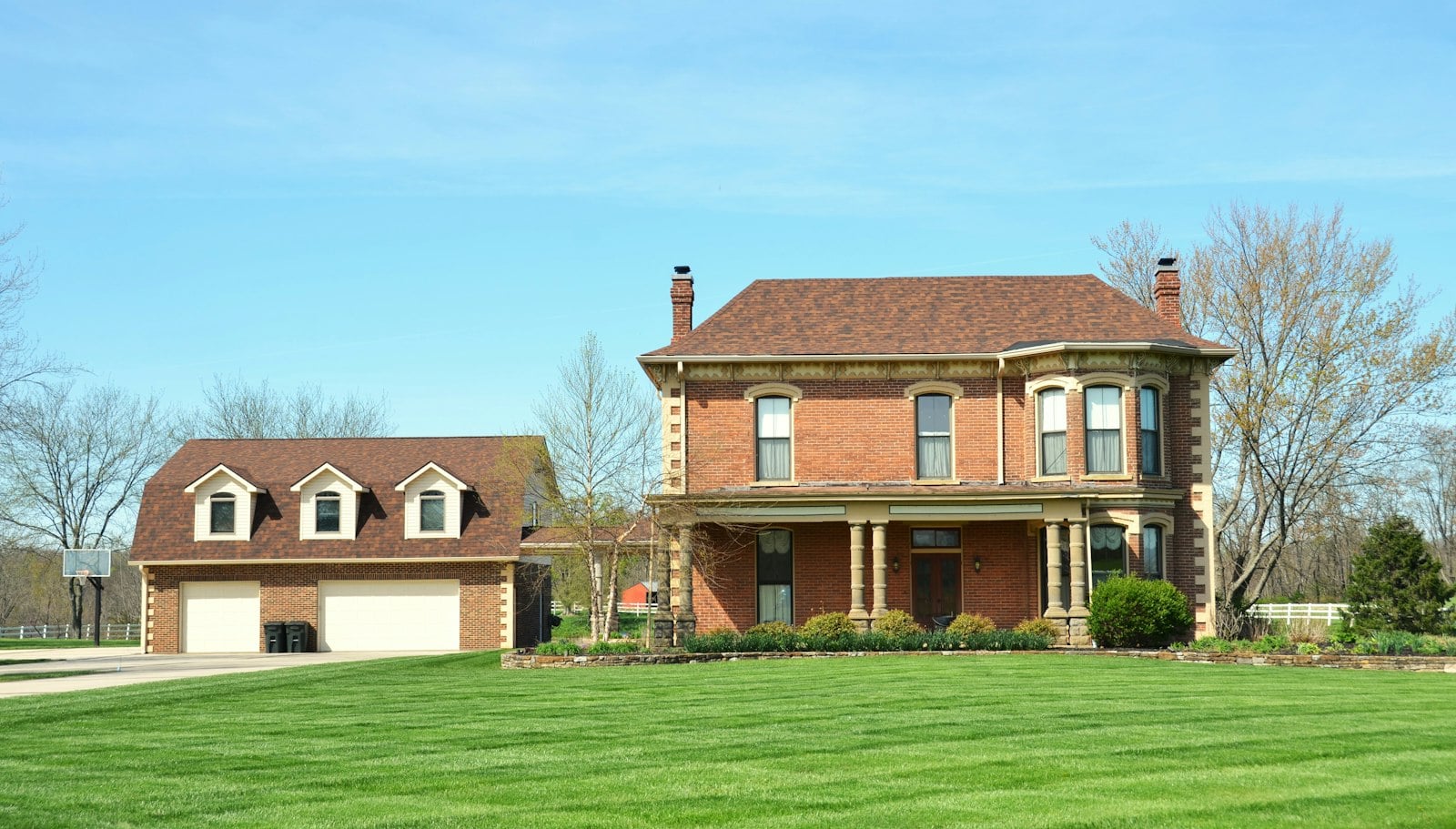
Subdivisions built from the 1970s onward on the deep clay east of the city, where seasonal movement is the usual story.
View Schertz service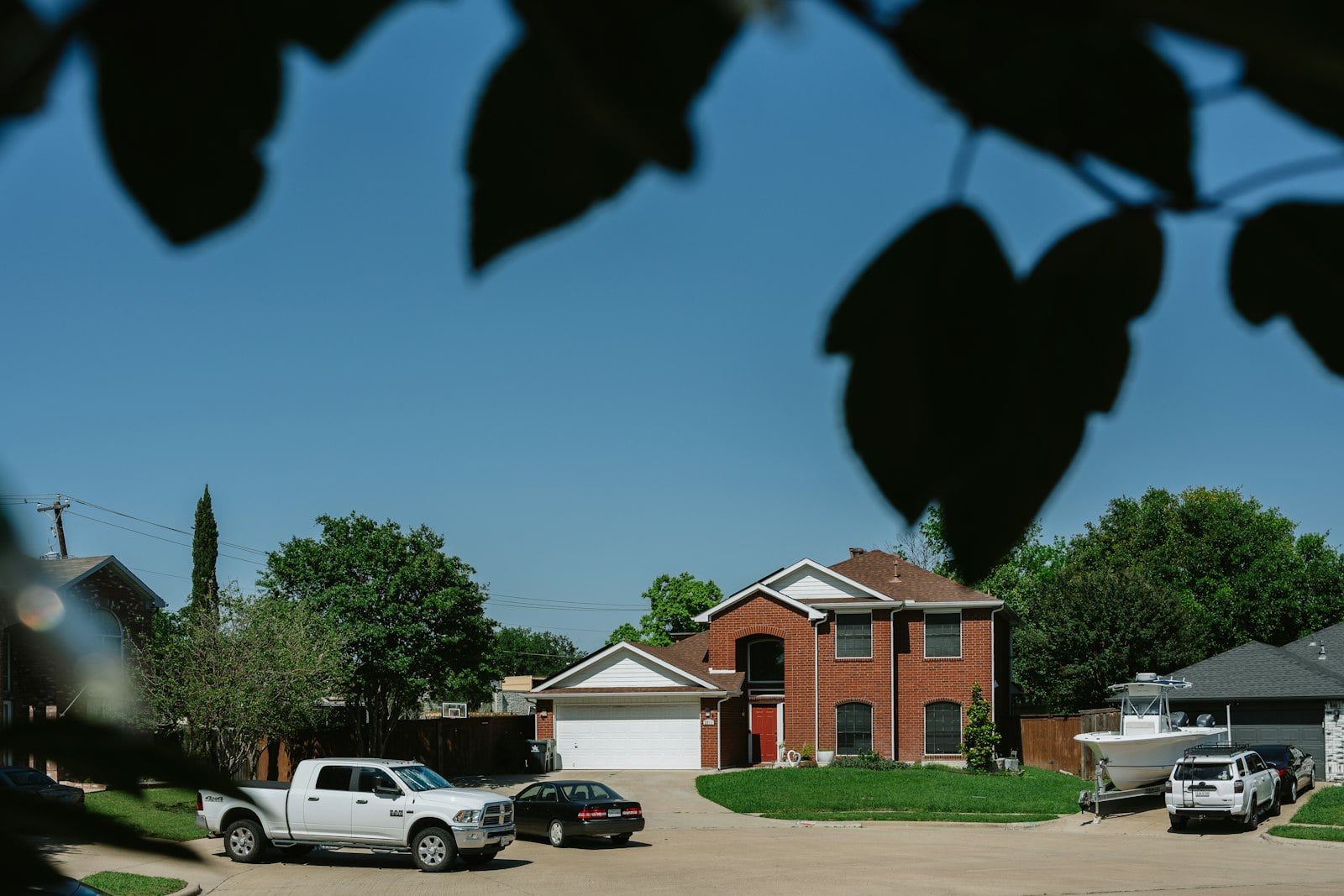
Slab-on-grade neighborhoods that grew quickly along FM 1516, with young landscaping and flat lots that hold water.
View Converse service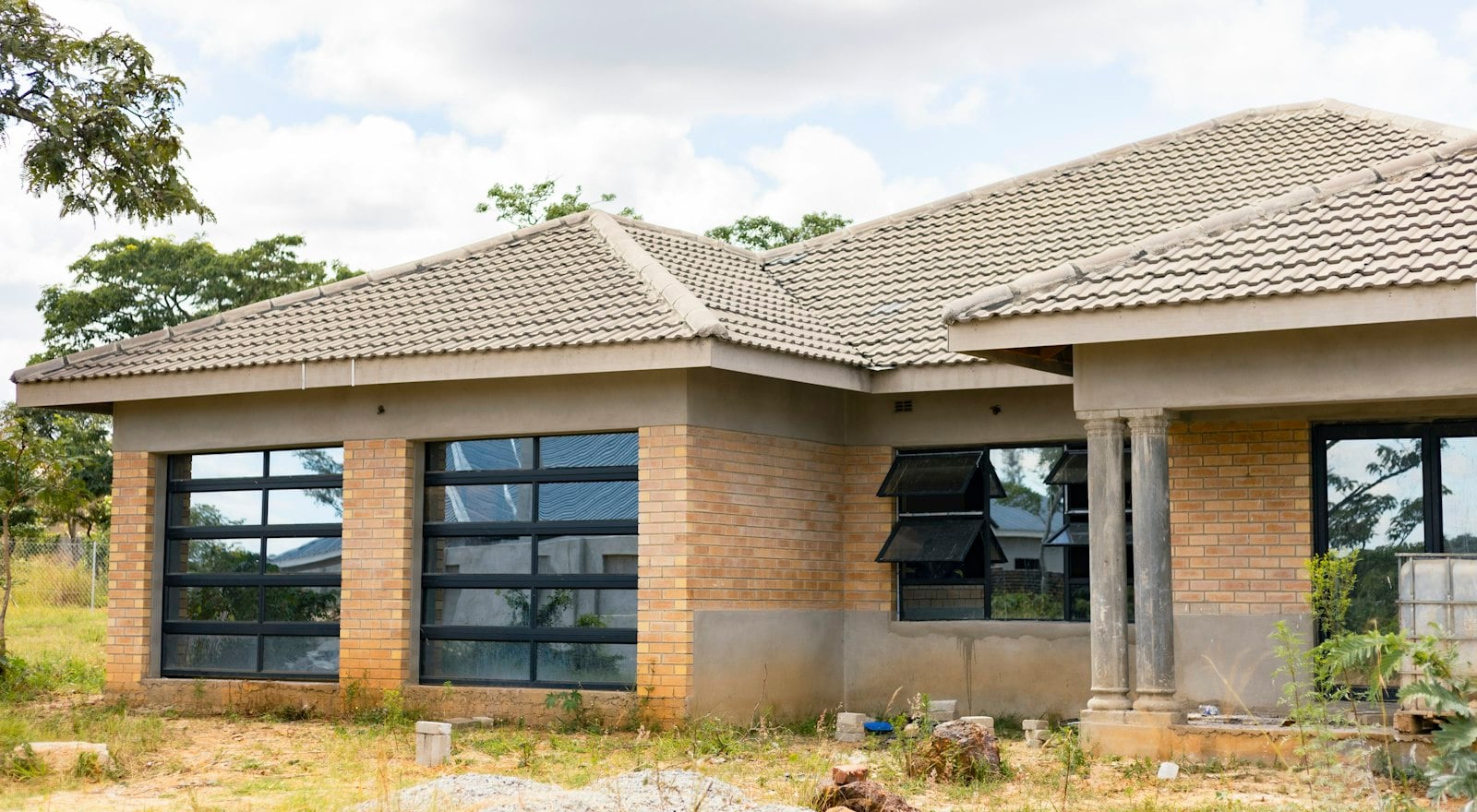
Ranch houses from the 1960s and 1970s near Bandera Road, long and low, which shows movement across the whole floor.
View Leon Valley service
Mid-century homes on generous lots inside Loop 410, where mature trees sit close to the house.
View Castle Hills service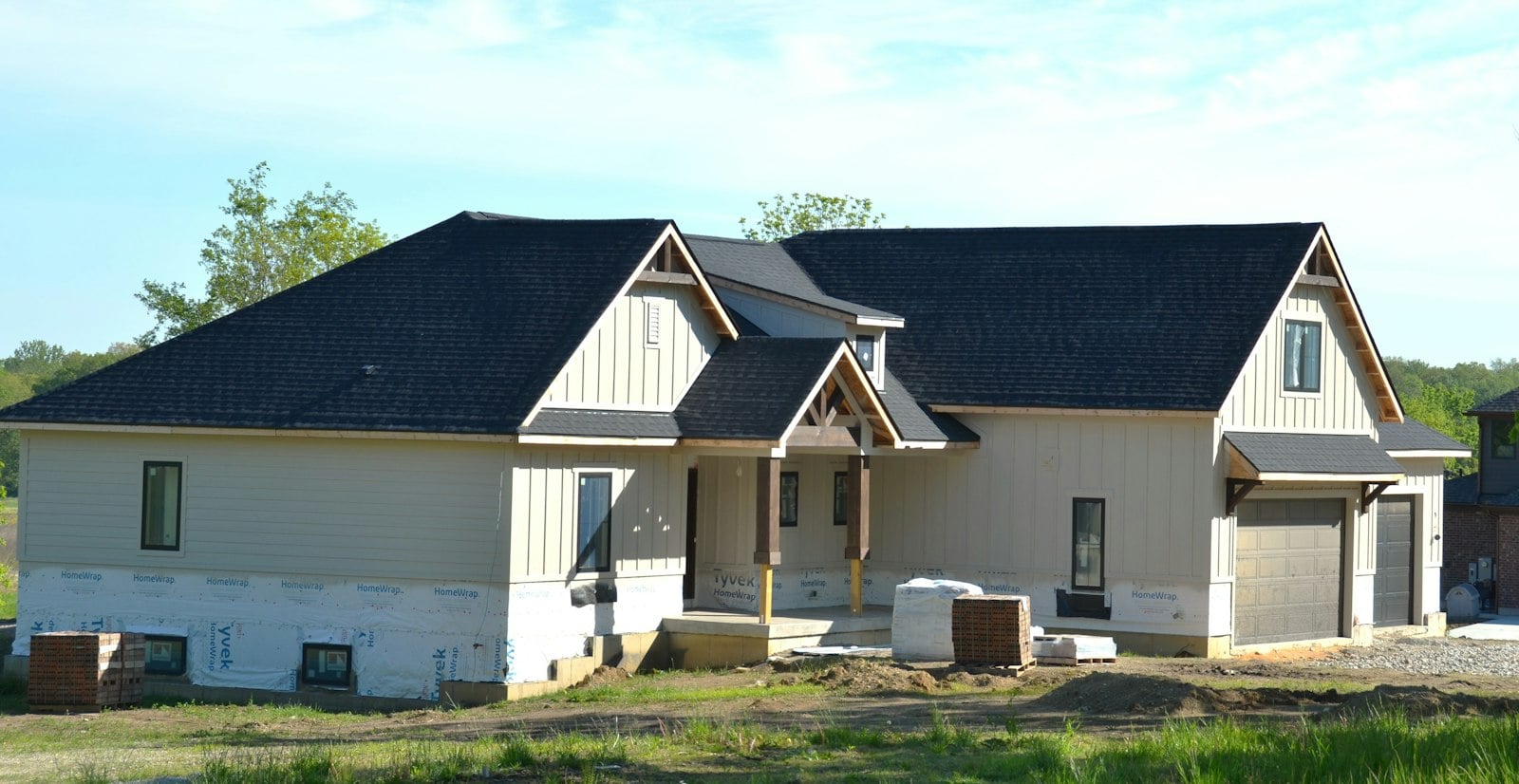
Hill Country lots up the I-10 corridor, where limestone sits close to the surface and homes spread over bigger plots.
View Boerne service
Slab homes built from the 1960s to the 1990s on deep clay, beside Randolph Air Force Base on the northeast side.
View Universal City serviceThe Balcones fault line runs across the top of San Antonio, and it more or less divides the foundation problems in this city. North and west of it the ground turns to Edwards limestone and caliche, often close to the surface, with clay filling the low pockets between. South and east of it there is deep expansive clay that swells after a wet week and shrinks back through a dry August.
Housing age matters just as much. The 1920s to 1960s homes in the older inner neighborhoods are frequently pier and beam, sometimes with a slab addition attached later. Almost everything built from the 1970s onward is slab-on-grade, and the newest subdivisions north of the city sit on engineered pads cut into hillsides. Each of those responds differently to the same weather.
Read how an inspection is arranged, compare the foundation repair options, or go straight to calling about an inspection. If piers come up in the conversation, the pier comparison is worth reading first.
Call with the ZIP code and describe what you have noticed to check provider availability.