
Slab Foundation Repair
Doors that stick, cracks over doorways and floors that slope usually mean part of the slab has moved.
Slab Foundation RepairSticking doors, cracks in the brick and floors that are no longer flat usually come back to the soil under the house. San Antonio Foundation Fix connects you with independent foundation repair providers. Availability varies by provider.
Doors that stick, cracks over doorways and floors that slope usually mean part of the slab has moved.
Slab Foundation Repair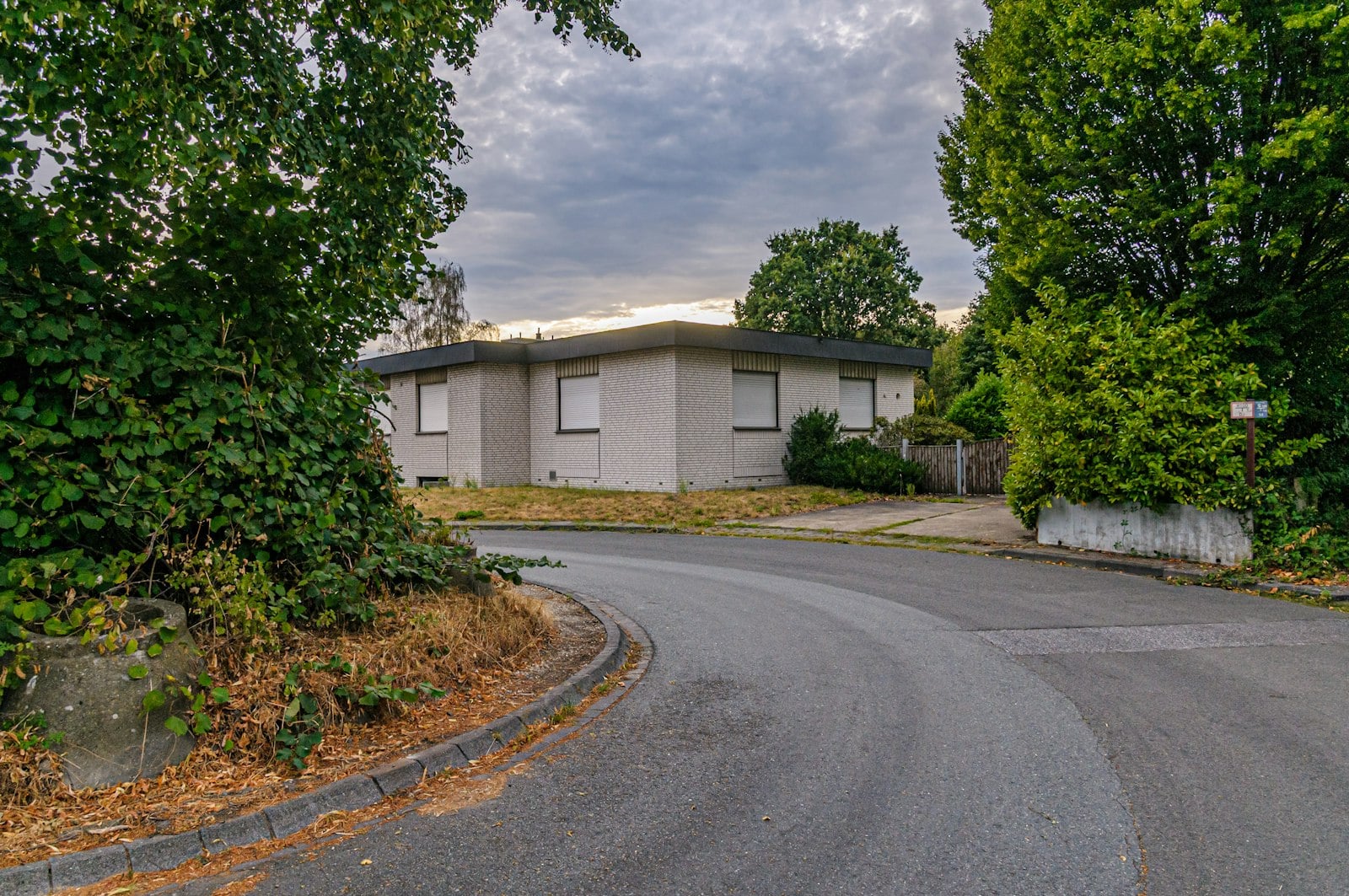
Bouncy floors and gaps at the baseboard in an older home often start with sagging beams or shims underneath.
Pier and Beam Repair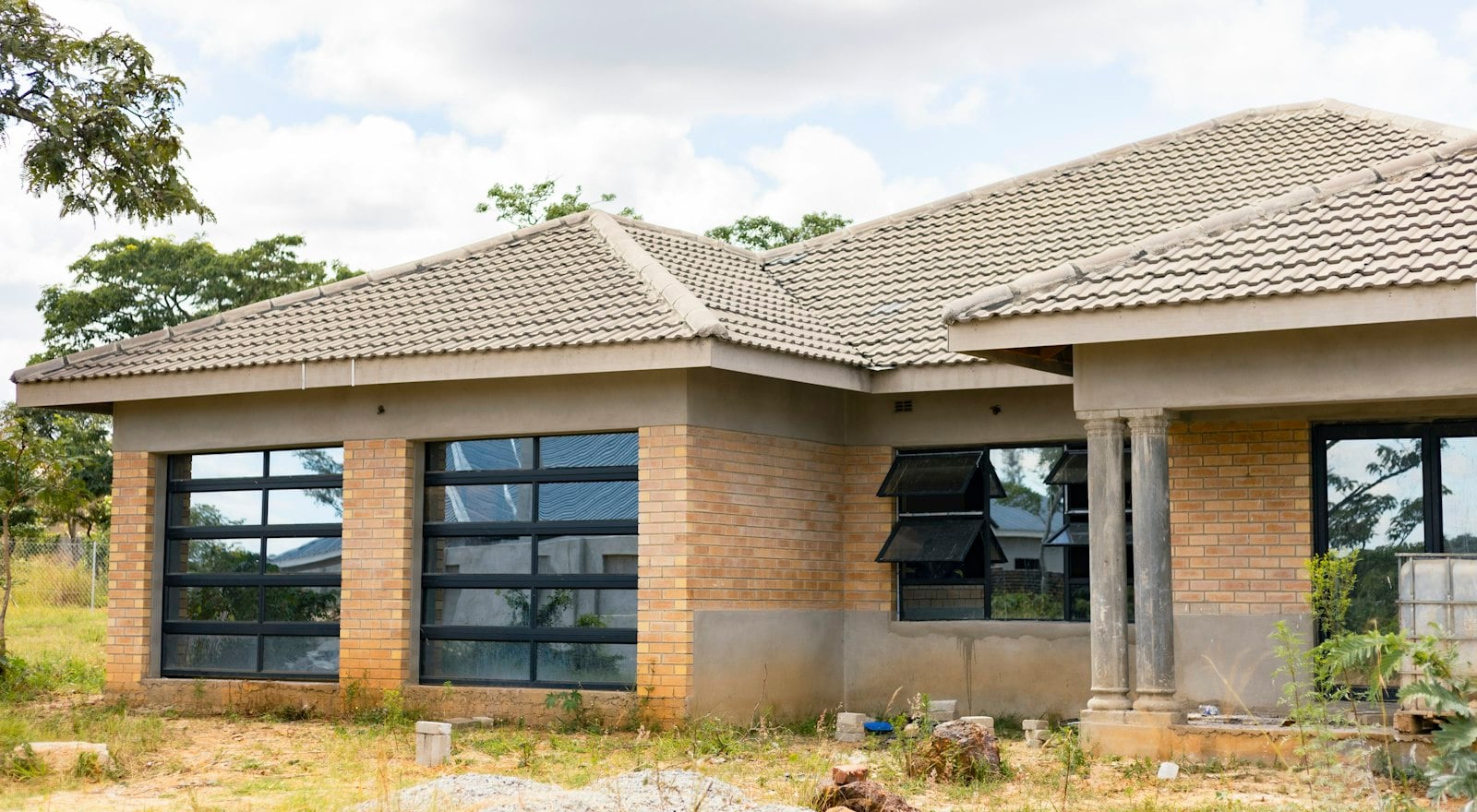
Leveling brings the low part of the house back toward where it started, in controlled steps.
Foundation Leveling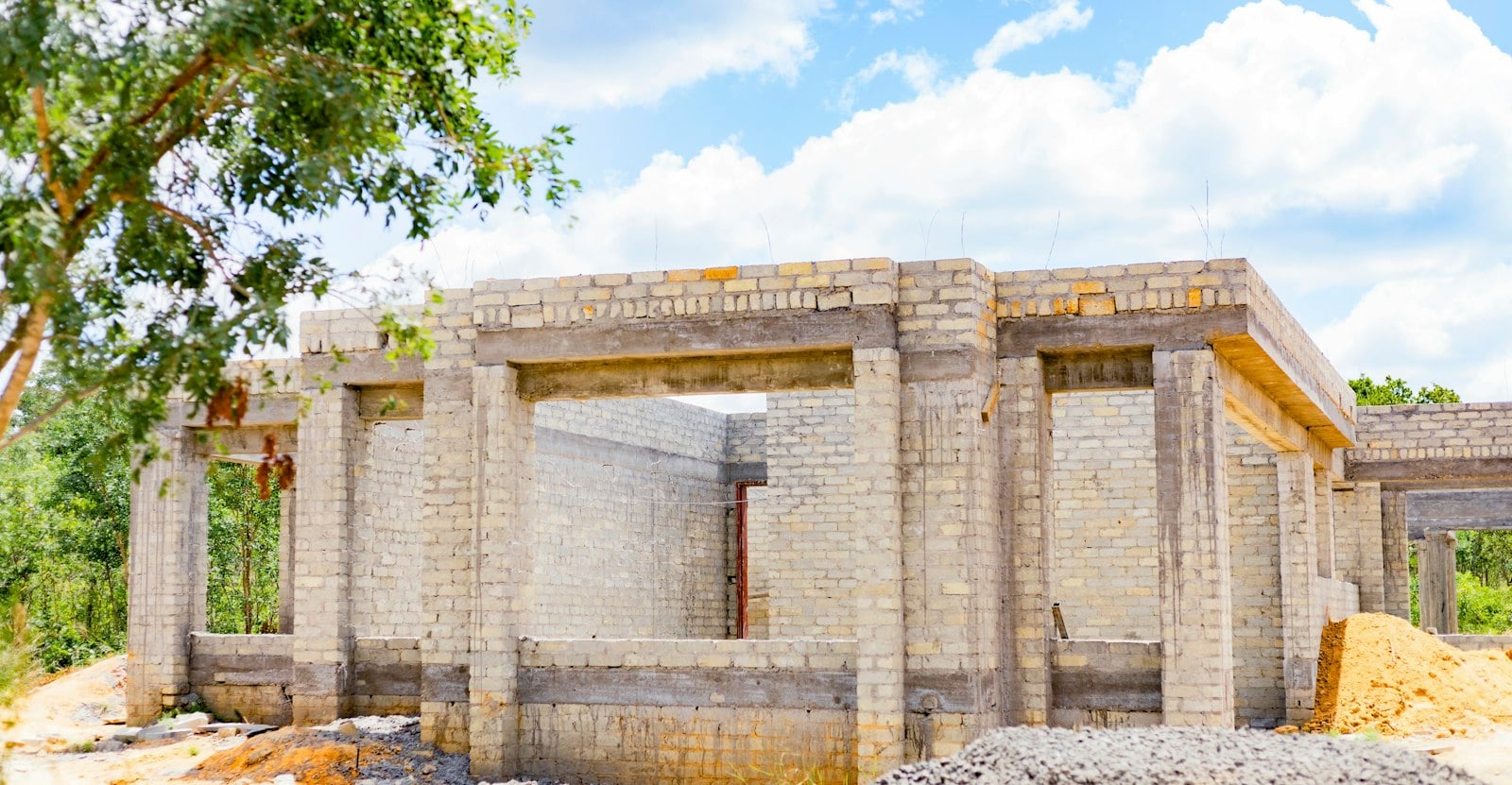
Piers carry the weight of the house down to soil that does not swell and shrink with the seasons.
Foundation Piers
Water pooling at the wall and big tree roots under the slab are two of the reasons a foundation keeps moving.
Drainage and Root Barriers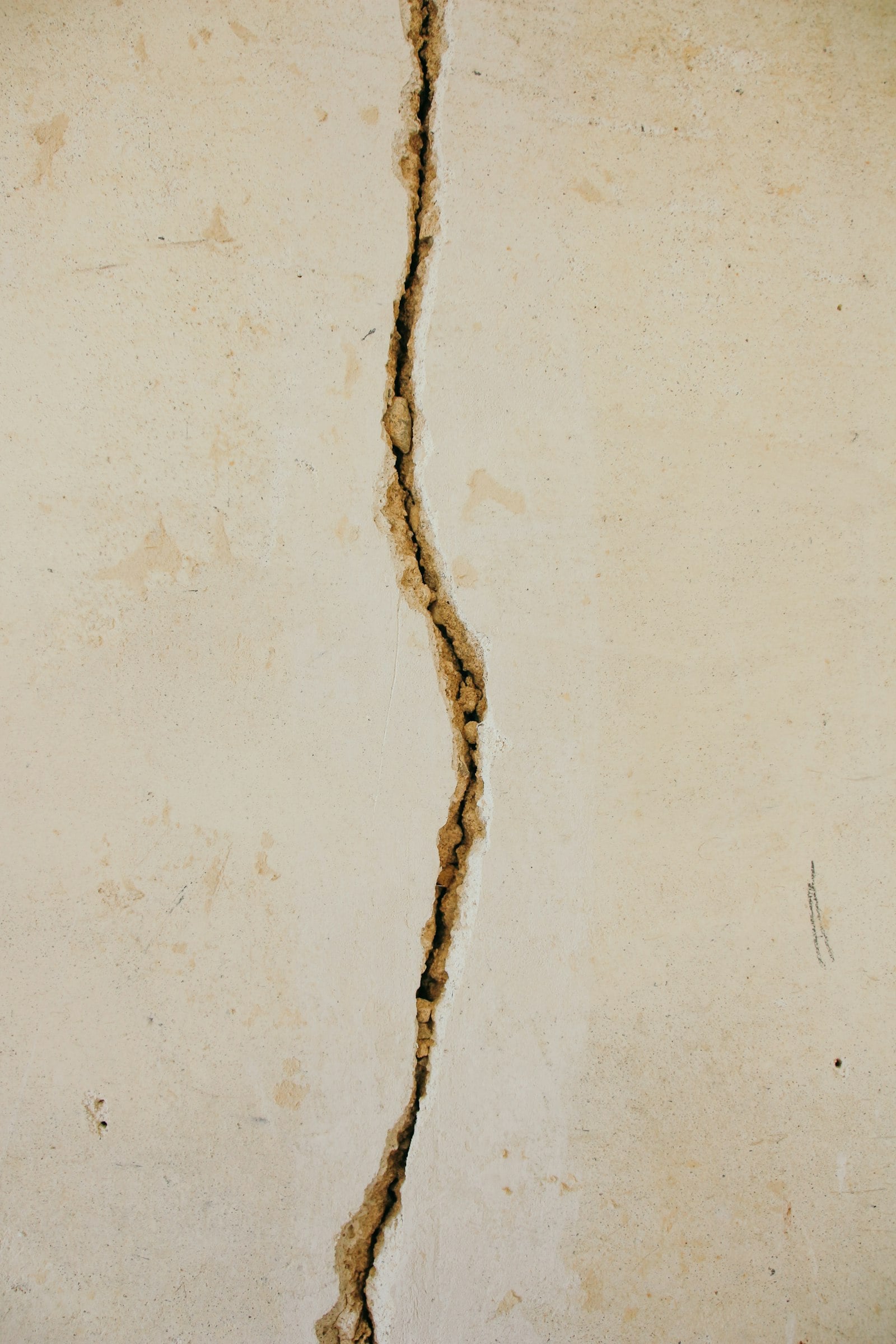
Before anything is quoted, someone has to measure the floor and look at what the cracks are actually doing.
Foundation Inspection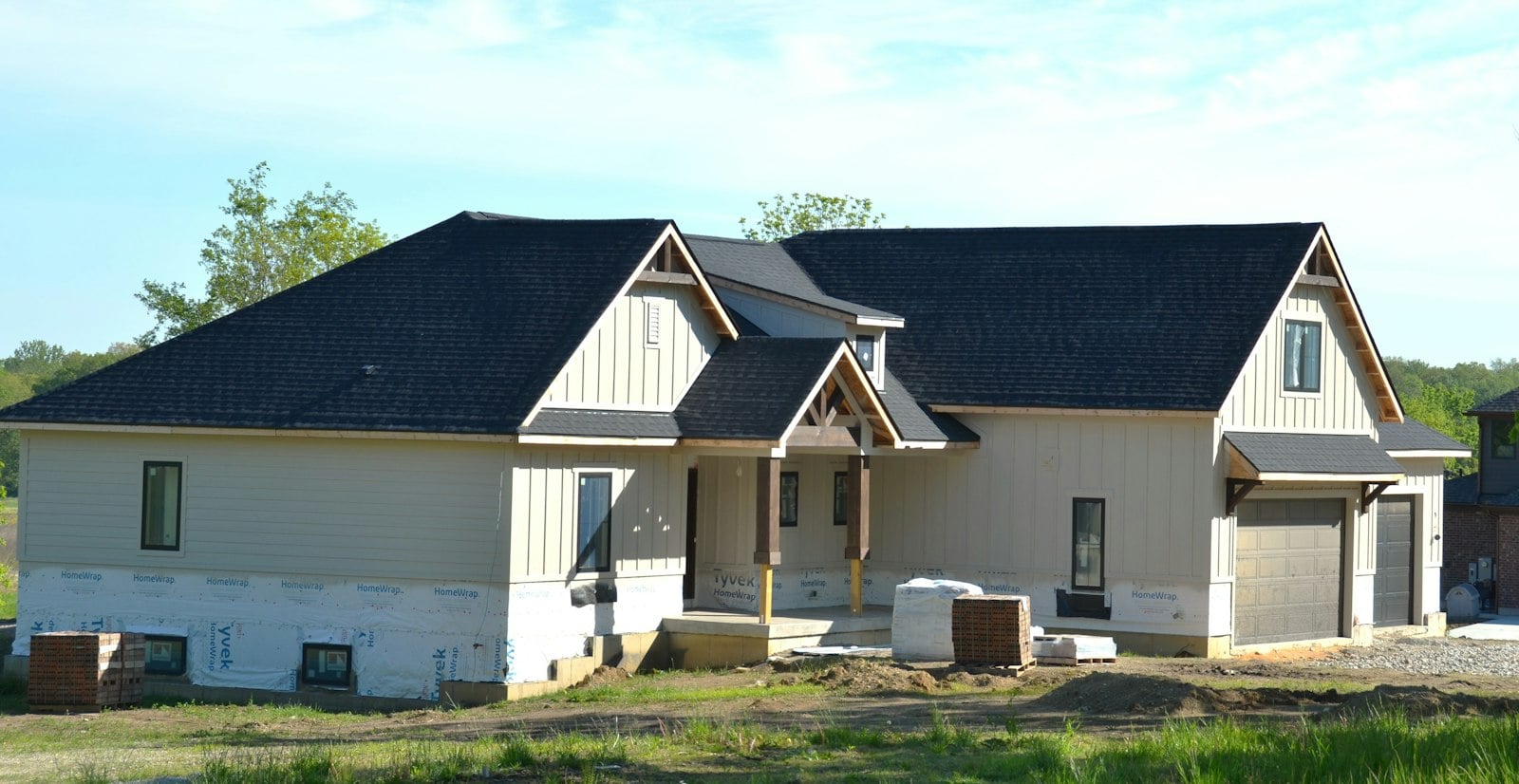
Shops, offices and small industrial buildings sit on the same soil, with tenants and stock to work around.
Commercial Foundations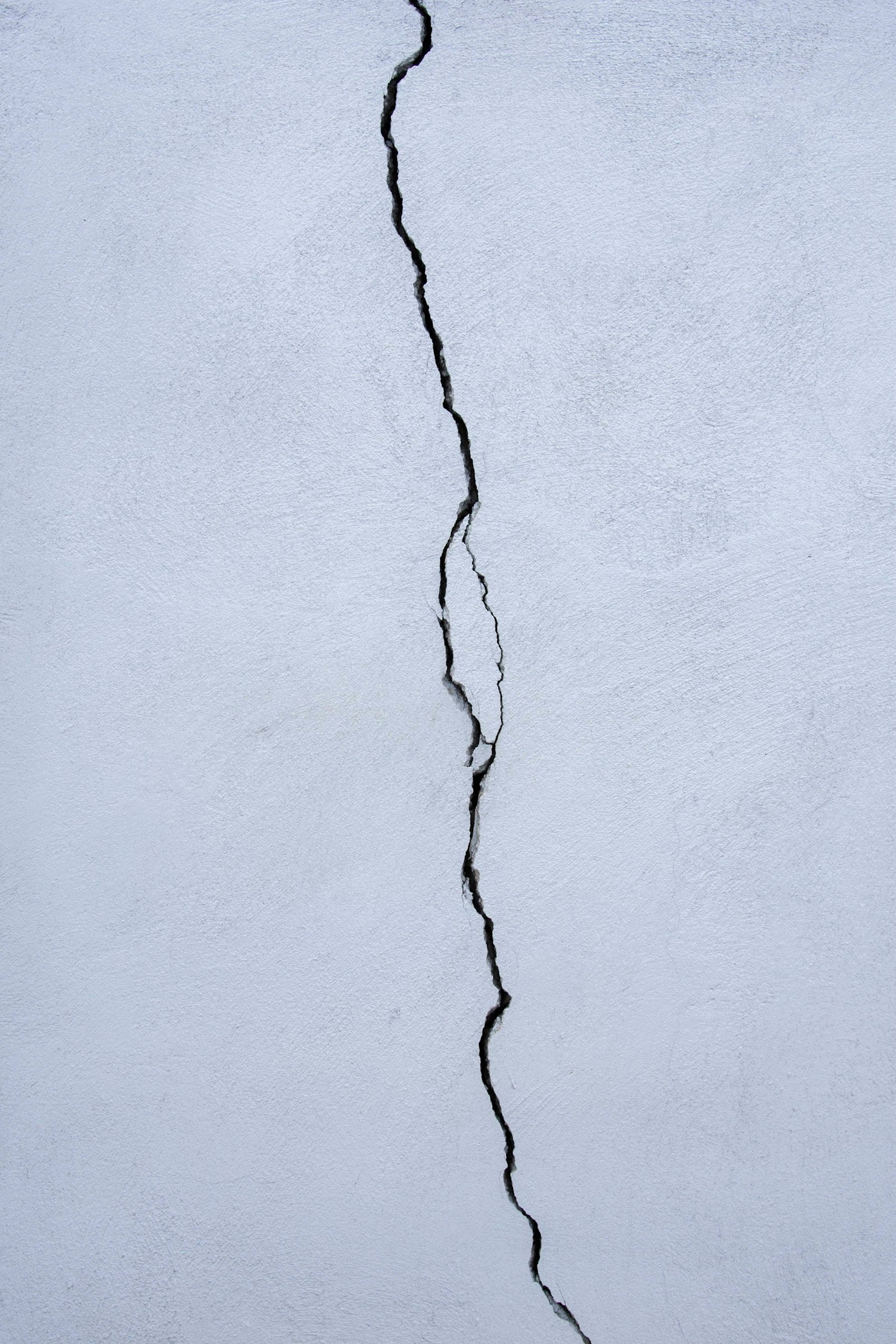
Some cracks are shrinkage and some are movement. Which one you have decides whether it gets sealed or supported.
Foundation Crack Repair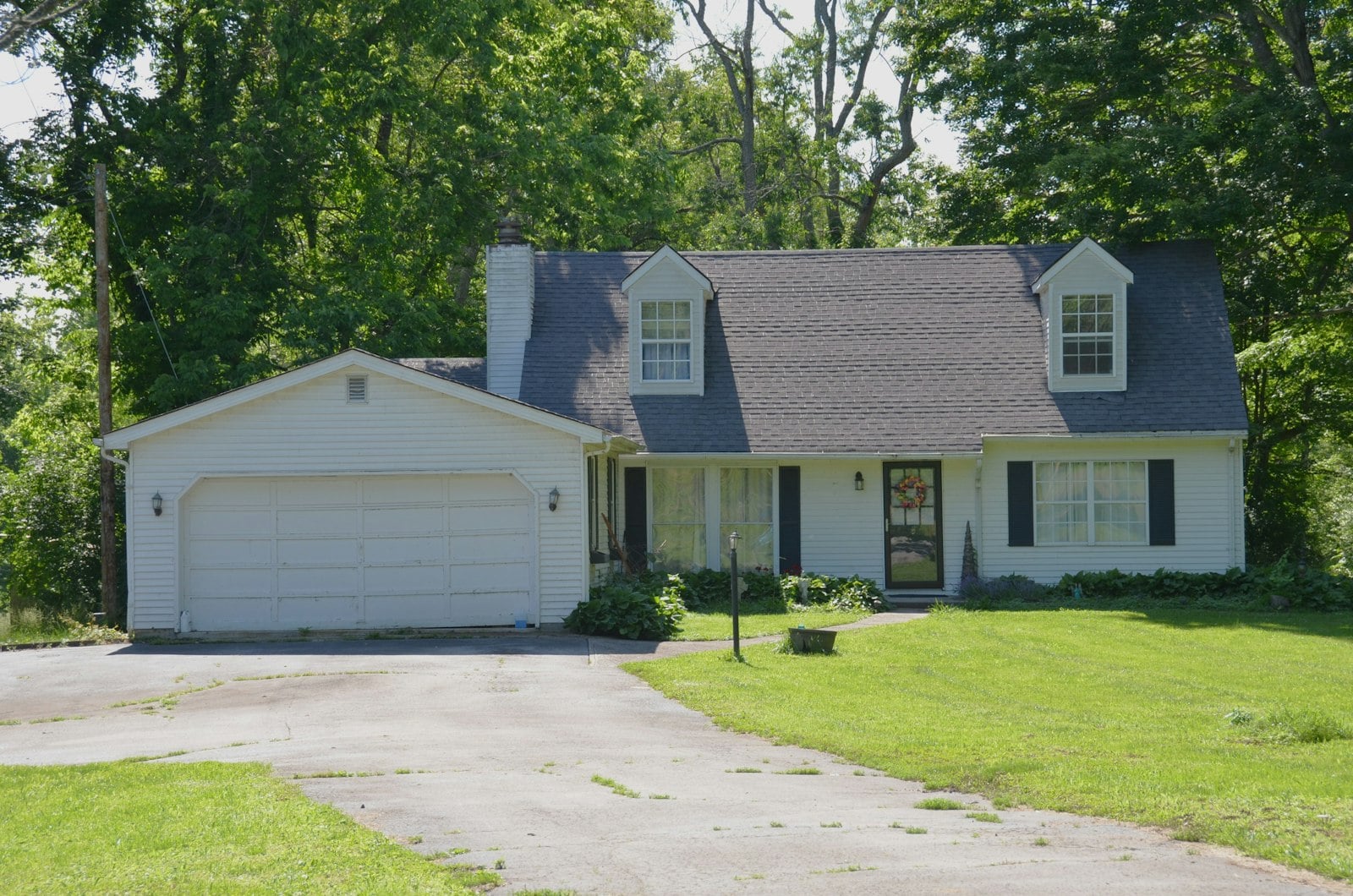
Sagging joists, crushed shims and damp ground under an older raised house, put right from underneath.
Crawl Space RepairElevation readings across the house show how much the floor has moved and in which direction. Without that, a quote is only an opinion about a crack.
Clay that swells and shrinks, water sitting against a wall and roots drawing moisture out of the soil all leave different patterns. An independent provider can explain which one fits your house.
The quote should list what is proposed, what it covers and what it does not. Ask the provider to say plainly anything a repair cannot promise.
South and east of downtown, and across much of the east side, houses sit on deep clay that swells when it rains and shrinks back through a hot dry summer. Far north of the Balcones fault line the ground turns to limestone and caliche, often shallow, with pockets of clay filling the low spots between. Drought summers followed by wet winters move those soils every year, and a house built in 1935 responds to it differently from one built in 2005.
A door that latched fine last spring and will not close in September is one of the first things people notice. It is the frame moving, not the door.
Warning signs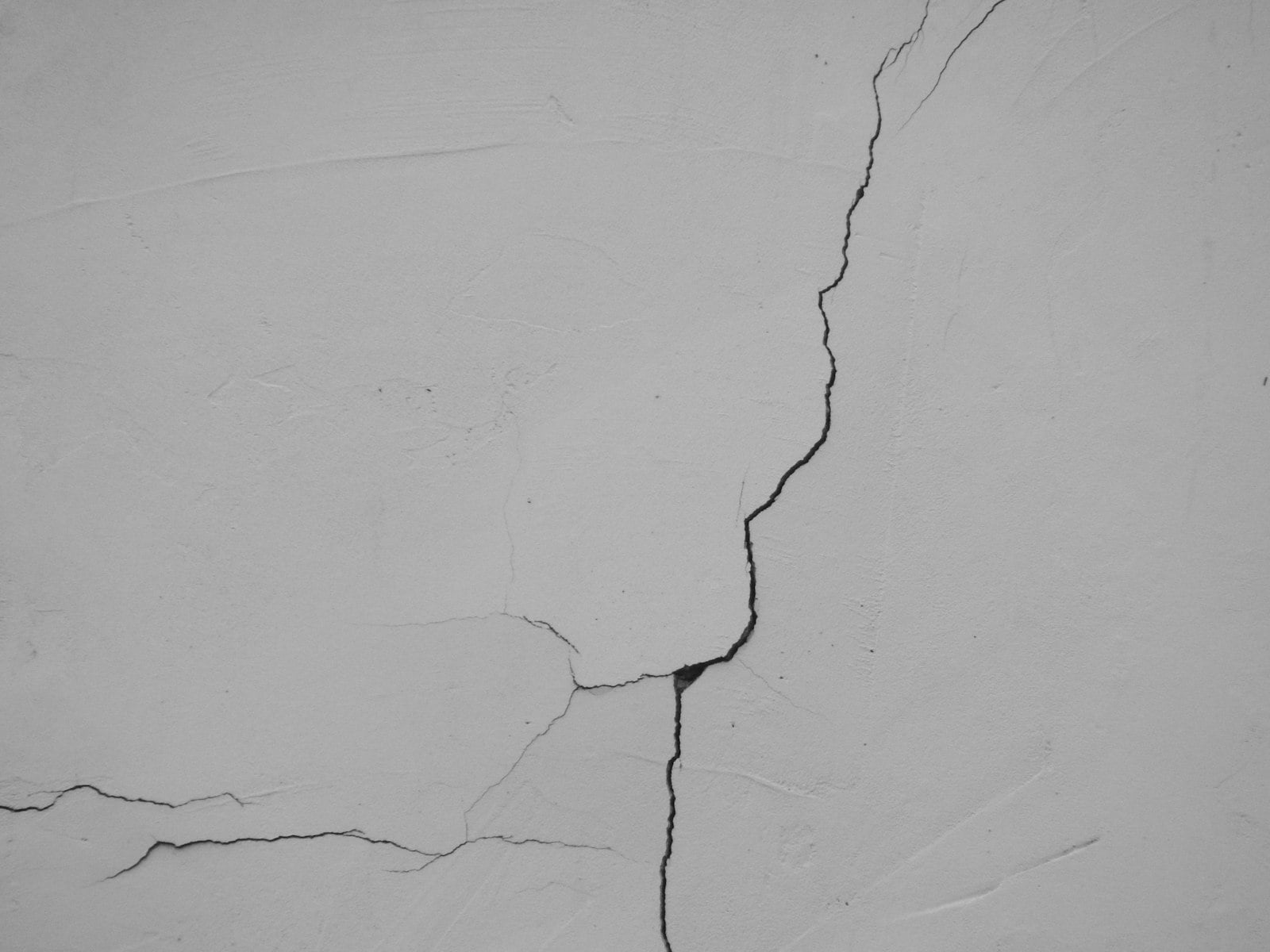
Drywall cracks running at an angle from a corner of a door or window frame tell you more than a straight hairline in the middle of a wall.
Which cracks matter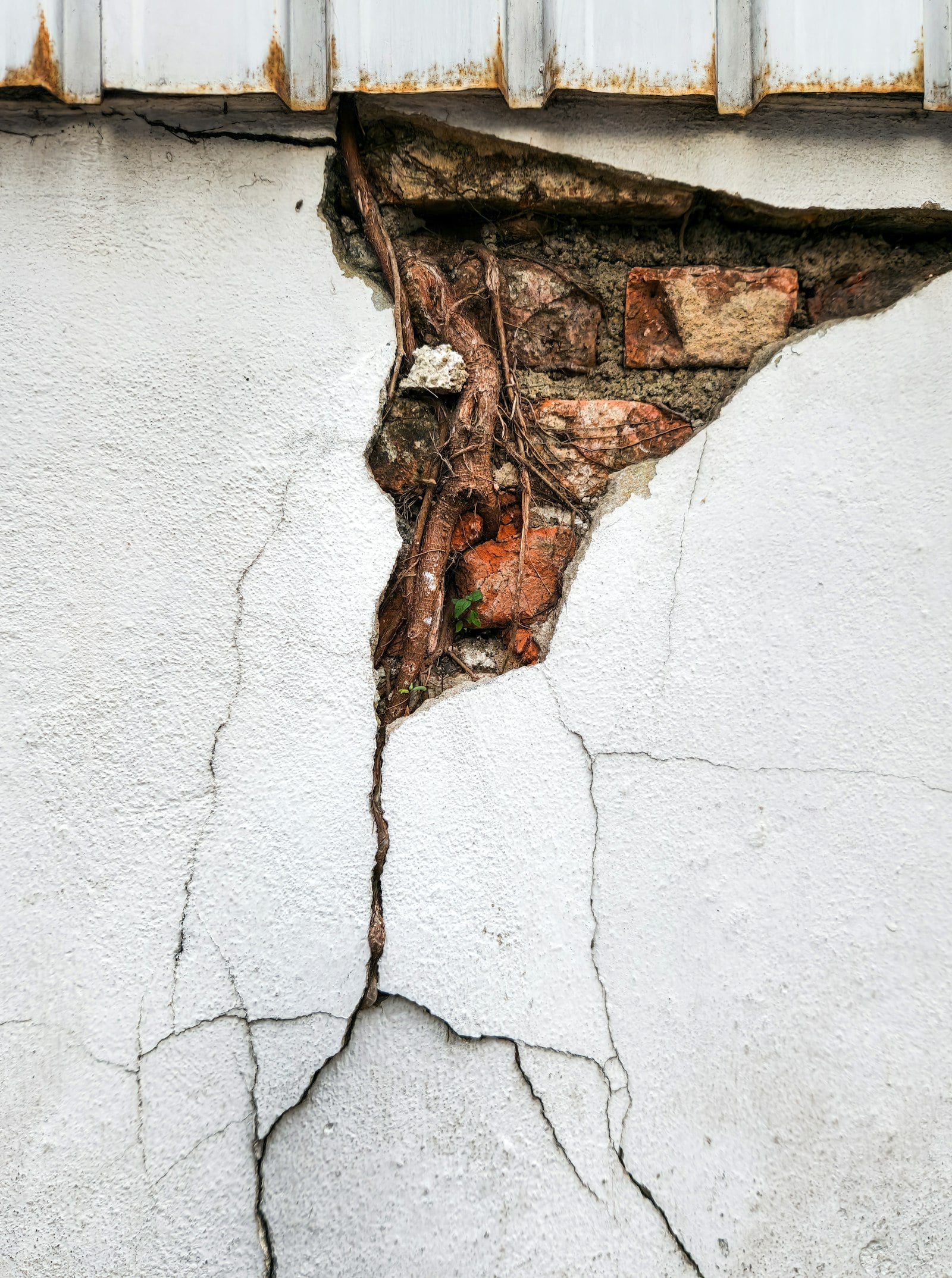
Outside, movement follows the mortar joints and steps its way up the brickwork. Widening gaps at the corners are worth photographing.
Get it measured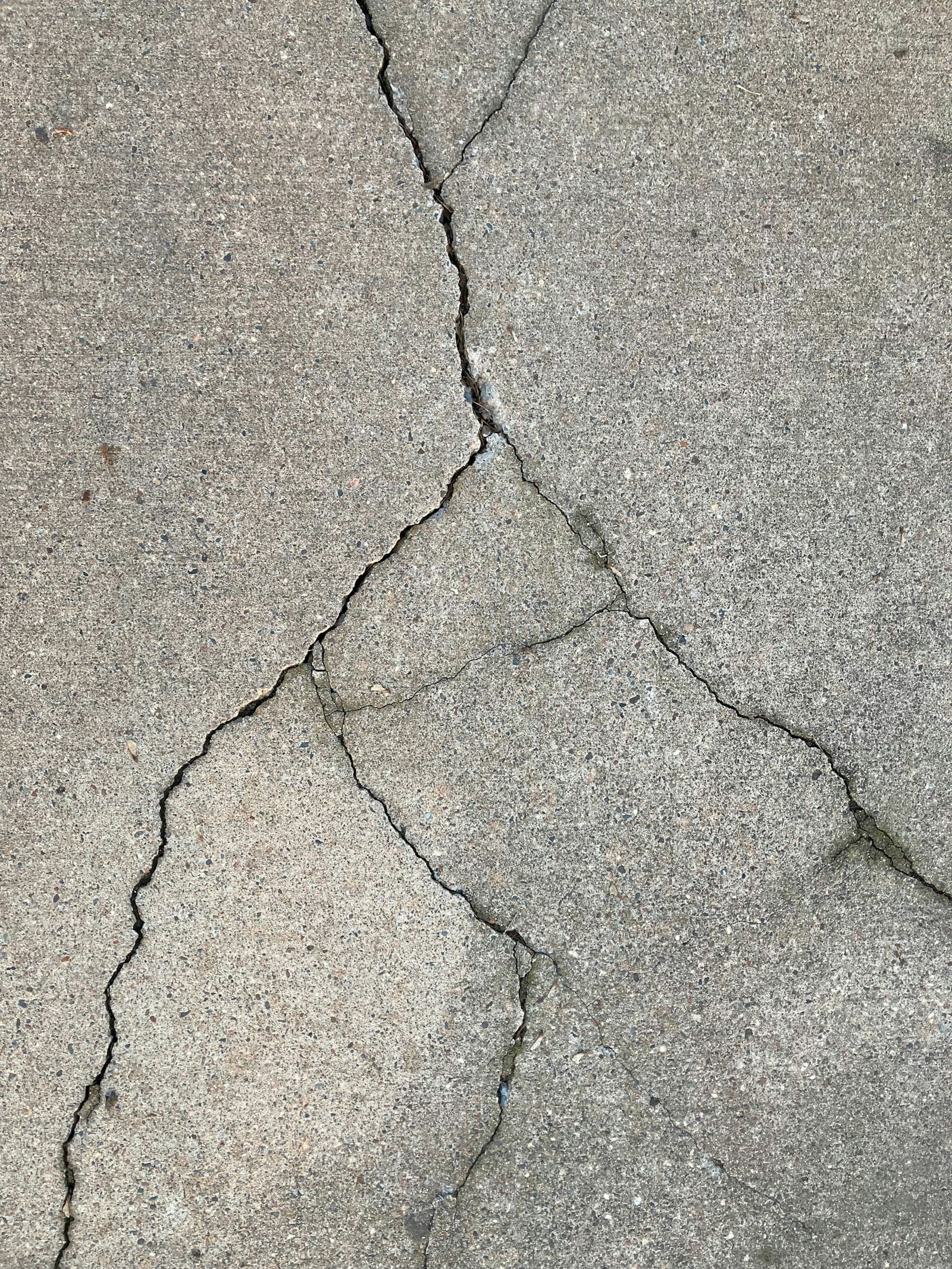
A ball that rolls across the room on its own, or a gap under the toe kick of the kitchen cabinets, points to one part of the floor dropping.
Foundation levelingSeparation between the patio slab and the house, or trim pulling away from brick, usually shows up after a long dry stretch.
Drainage and roots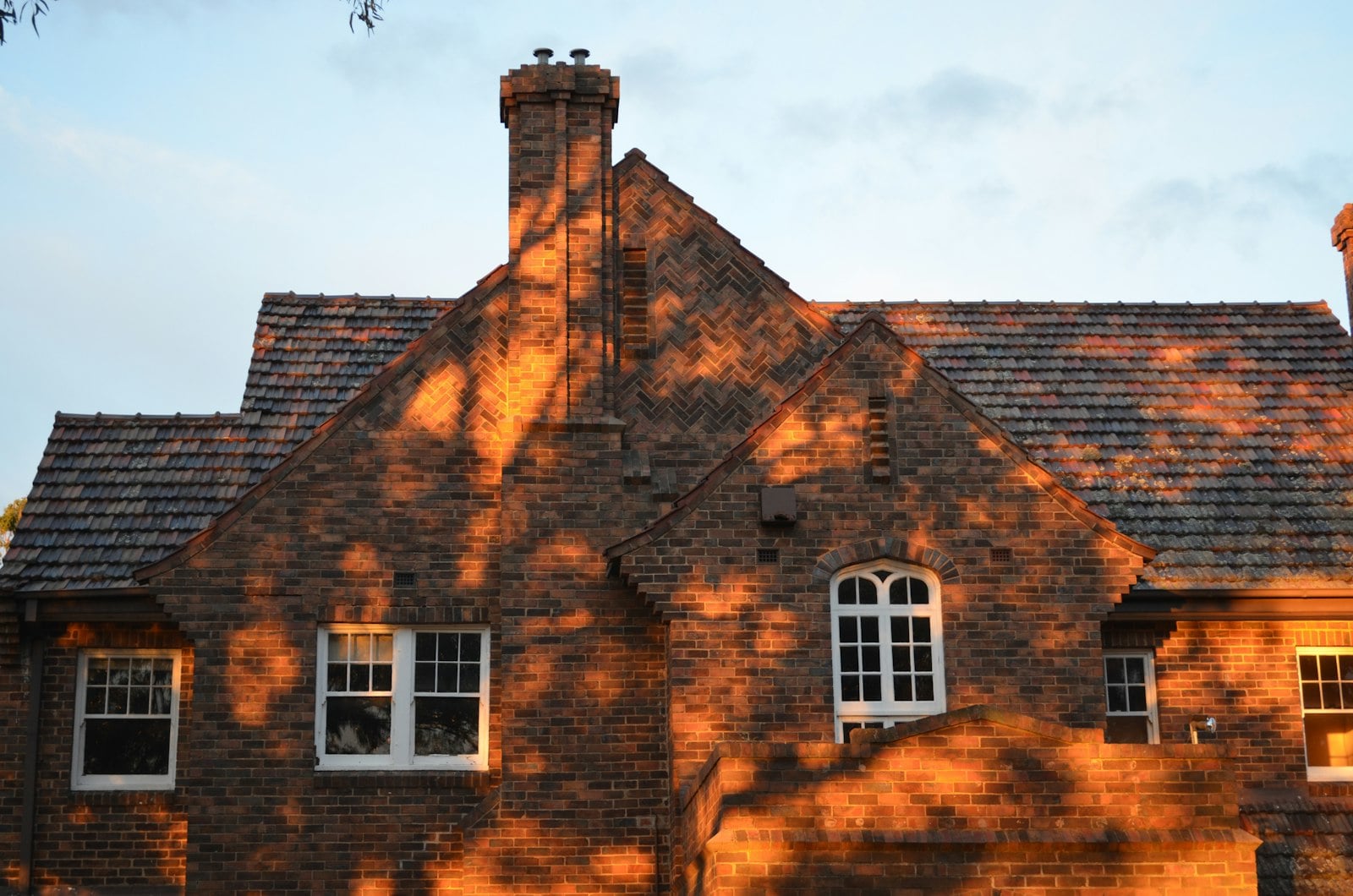
Not every crack needs piers this year. Some do. The difference is whether the movement is still going on and how far it has gone.
Now or laterCall and describe what you are seeing, roughly when it started and your ZIP code to check whether an independent provider is available.
Elevation readings across the house show where it is high and where it is low. That is the difference between a guess and a diagnosis.
Ask the provider to show the readings, explain what is causing the movement and give a written price before you decide.
If repairs go ahead, the floor is measured again at the end and you are told what to expect from the house afterwards.
Homes from the 1920s to the 1940s, many on pier and beam with later slab additions, under some of the biggest live oaks in the city.
View Alamo Heights serviceNewer two-story homes on hillside pads north of Loop 1604, where shallow limestone and cut-and-fill lots both play a part.
View Stone Oak serviceHill Country edge lots where the drill hits rock in one corner of the house and clay in the other.
View Helotes service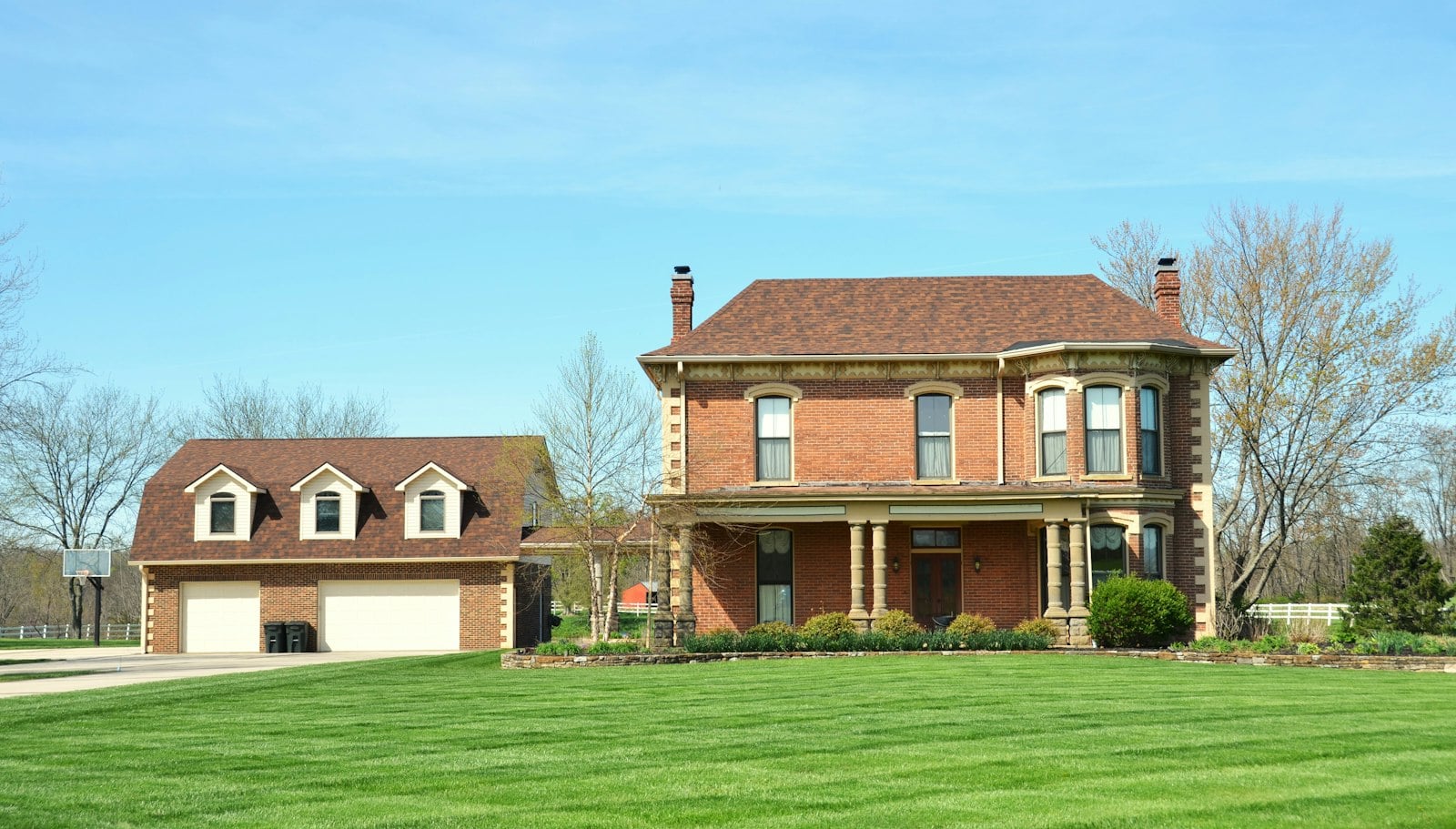
Subdivisions built from the 1970s onward on the deep clay east of the city, where seasonal movement is the usual story.
View Schertz service
Slab-on-grade neighborhoods that grew quickly along FM 1516, with young landscaping and flat lots that hold water.
View Converse serviceRanch houses from the 1960s and 1970s near Bandera Road, long and low, which shows movement across the whole floor.
View Leon Valley serviceMid-century homes on generous lots inside Loop 410, where mature trees sit close to the house.
View Castle Hills serviceHill Country lots up the I-10 corridor, where limestone sits close to the surface and homes spread over bigger plots.
View Boerne serviceSlab homes built from the 1960s to the 1990s on deep clay, beside Randolph Air Force Base on the northeast side.
View Universal City serviceThere is no standard price, because the work follows what the measurements show: how far the house has moved, how many support points it needs and how deep they have to go. Deep clay on the east side usually means deeper piers than shallow limestone up north. Ask the independent provider to measure first and quote in writing. Start with an inspection.
Doors that stop latching, diagonal cracks running from the corners of door and window frames, stair-step cracking in brick, sloping floors and soil pulling away from the slab edge in late summer. One of those alone is usually nothing; several together is a pattern. See what to look for.
Fine cracks in the middle of a drywall panel are usually cosmetic. Cracks that run diagonally from a door or window corner, step up through brick mortar, or keep widening month after month are the ones that point at movement. Width and change matter more than length. Read how to tell them apart.
It depends on the ground under your property rather than on preference. Pressed concrete is common on the deep clay south and east of San Antonio, while steel is often chosen where limestone is shallow or the depth is unpredictable, such as graded hillside lots. Compare the two pier types.
San Antonio Foundation Fix connects callers in San Antonio and the surrounding communities including Alamo Heights, Stone Oak, Helotes, Schertz, Converse, Leon Valley and Castle Hills. Provider availability depends on the full property address, not the city name alone. See the service areas.
Much of Bexar County sits on expansive clay that swells when wet and shrinks through a dry summer, so the ground under a house changes volume with the seasons. North of the Balcones fault line it turns to limestone and caliche, and houses that bridge rock and clay move unevenly. See how slab repair works.
Sometimes. If the movement is seasonal and mild, getting roof water away from the wall, regrading and keeping perimeter soil moisture steady can settle a house without structural work. If the slab has dropped and stayed down, that will not lift it. See drainage and root barrier work.
On clay soils it genuinely helps, because the aim is to stop the ground swinging between saturated and bone dry. Keep a soaker hose a consistent distance from the slab all the way round, and check the current SAWS drought stage first, since the rules change. Read how to do it properly.
No. Lifting any part of a house without knowing where its loads run can crack walls, break lines beneath the floor and cause injury. It also makes the eventual repair larger. Keep off floors that feel soft and have the house measured instead. See pier and beam repair.
That depends on whether the movement is still active. Photograph cracks with a date, mark their ends and re-check in a few months, or have elevation readings repeated after a season. Stable cracking can be monitored; widening cracking should not be. Work through the decision.
Call and describe what you are seeing and how long it has been happening to check provider availability.