Crack survey and mapping
Every crack inside and out is noted with its direction, width and position. Direction tells you far more than length does, and a pattern across several rooms says more than any single crack.
Nearly every house in San Antonio has a crack somewhere. What matters is whether it is a finish that dried and shrank years ago or a sign that the ground under one part of the house is still moving. San Antonio Foundation Fix measures the floor first, then treats the crack for what it actually turns out to be.
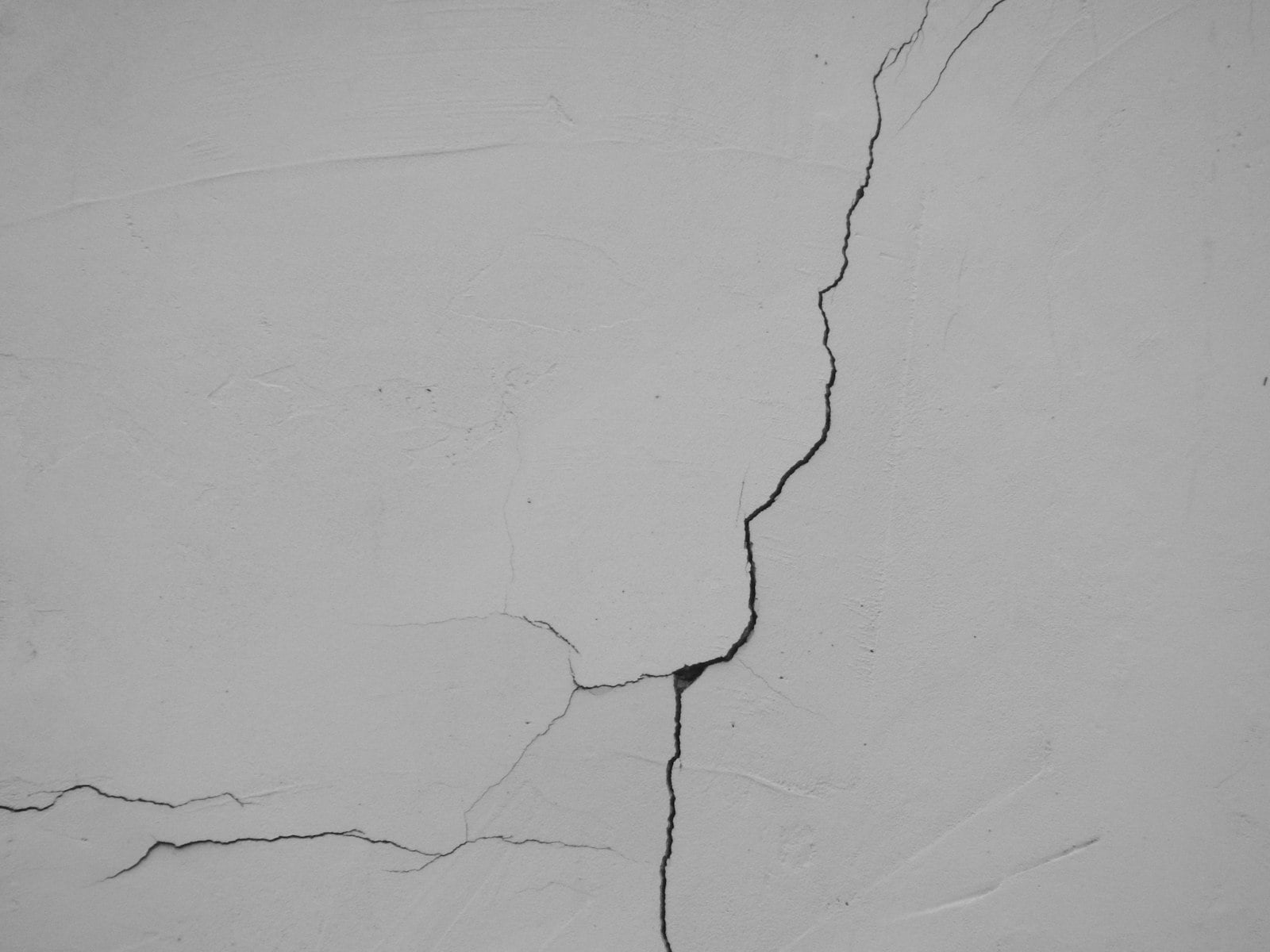
Crack work is only worth doing once the reason for the crack is known. The visit below comes first, and the quote follows it.
Every crack inside and out is noted with its direction, width and position. Direction tells you far more than length does, and a pattern across several rooms says more than any single crack.
The floor is measured so the cracking can be compared with what the structure is doing. A wide crack over a floor that reads flat is a different problem from a thin one over a low corner.
Where water sits against the wall, where downspouts empty and how the ground slopes all get looked at, because soil moisture is what opens and closes most cracks in this city.
Used on cracks in structural concrete that are not still moving. The epoxy bonds the two faces back together so the concrete carries load across the crack again.
Used where the priority is keeping water out rather than restoring strength. It stays flexible, which suits a joint that opens and closes a little with the seasons.
Where nothing is conclusive yet, cracks are recorded and marked so they can be measured again later. Sealing a crack that is still moving only hides the movement.
Filling a crack is a repair to the crack, not to the house. If part of the slab has dropped, the filler will split again within a season or two. That is why the reading comes before the injection, and why an honest answer is sometimes that the crack should be watched rather than filled.
If the survey shows the structure has moved, the repair is support rather than sealant. Slab foundation repair covers what that involves on a slab home, foundation piers explains how the load is carried down to stable ground, and the comparison of pressed concrete and steel piers is worth reading before you approve anything. Cracking that only appears in a dry stretch often points at drainage and roots instead.
Not sure what you are looking at? Our guide to which foundation cracks matter walks through the common patterns, and a foundation inspection settles it with measurements. Homeowners selling a property, for example in Universal City, often want that in hand before listing.
Diagonal cracks from door and window corners, stair-step cracking in brick and any crack that keeps widening are the ones to take seriously. Fine vertical hairlines in drywall or in a concrete surface are usually shrinkage. San Antonio Foundation Fix confirms the difference with elevation readings rather than by eye.
No. Injection restores or seals the crack itself. If soil movement caused it, the movement has to be dealt with too, usually through support or drainage correction. Anyone offering to seal cracks without measuring the floor is guessing.
Epoxy cures hard and bonds concrete back together, so it suits a structural crack that has stopped moving. Polyurethane stays flexible and is aimed at stopping water, so it suits a crack that still shifts slightly with the seasons. The survey decides which one your crack calls for.
Cosmetic patching before a sale tends to raise more questions than it answers, because buyers and their inspectors look for it. A measured report showing what the floor is doing is usually worth more. San Antonio Foundation Fix can put that in writing after an inspection.
Send us a photo of the worst crack and tell us when you first noticed it, and we will plan the visit around it.