Concrete Foundation Repair in San Antonio
Concrete foundation repair in San Antonio comes in a few main forms: sealing cracks, leveling a settled slab, adding piers under the house, and fixing the drainage that keeps the soil moving. The right choice depends on what is causing the problem. Start with an inspection, compare written options, then decide.
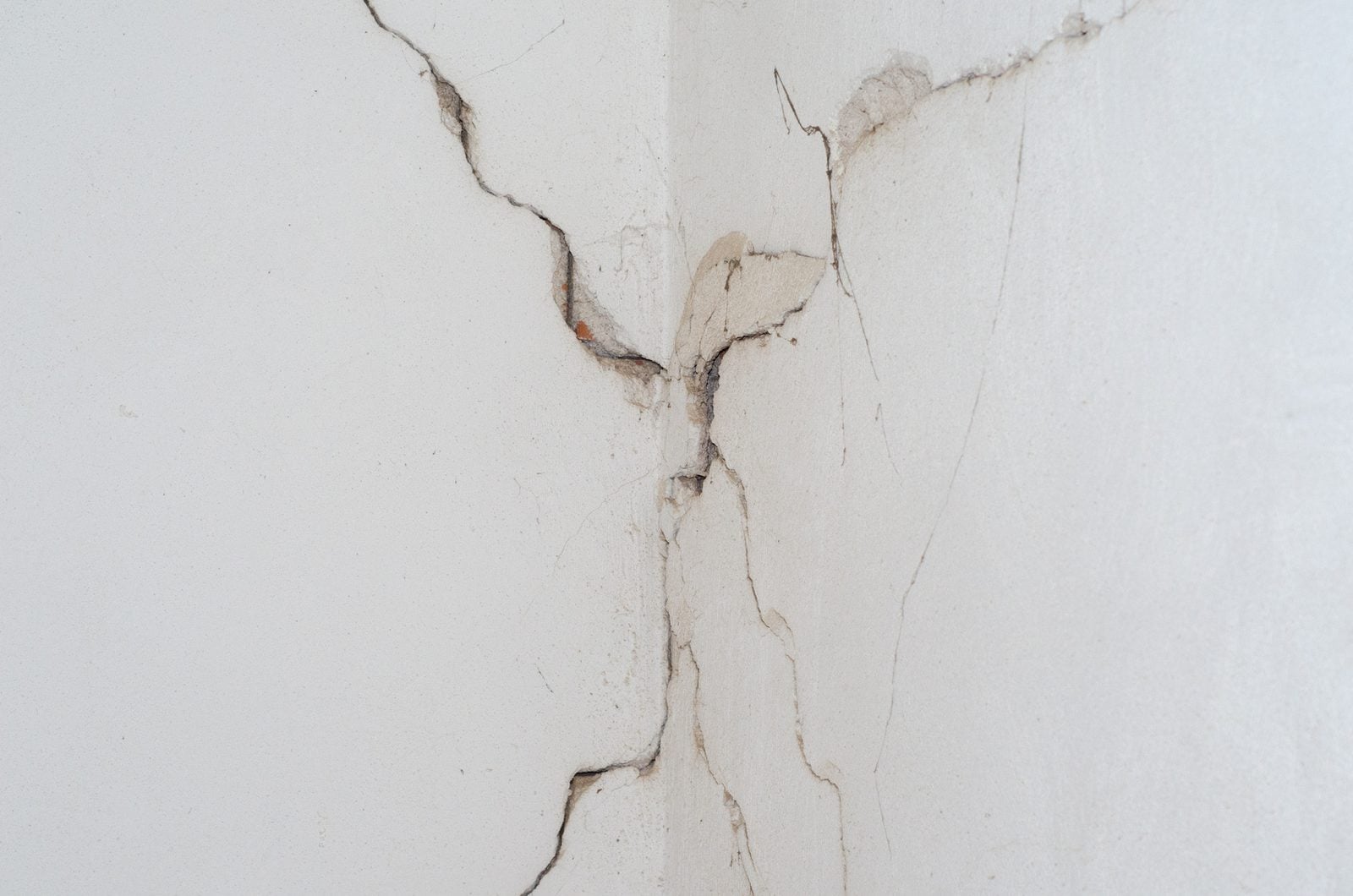
- Most concrete foundation repair falls into four groups: crack repair, slab leveling, piers or underpinning, and drainage or moisture control.
- A crack repair treats a symptom. Piers and drainage work treat movement and its cause.
- The Blackland Prairie, with highly expansive clay that shrinks and swells with moisture, extends from north of Dallas south to San Antonio.
- Most new homes in Texas and nearby states are built on concrete slabs, so slab repair is the most common foundation work in the area.
- Ask for a written explanation of each option and a written quote before any work starts.
What are the main types of concrete foundation repair in San Antonio?
Concrete foundation repair in San Antonio usually means one of four things: sealing or injecting cracks, leveling a slab that has settled, installing piers to support the house from deeper ground, or correcting drainage so the soil stays more even. An inspection shows which ones apply.
- Crack repair: fills and seals cracks in the slab or stem wall to keep out water and pests.
- Slab leveling: raises low areas of a slab so floors sit closer to level.
- Piers or underpinning: adds supports under the foundation that reach firmer soil or rock.
- Drainage and moisture control: gutters, grading, drains and root barriers that reduce soil movement.
If you are not sure where to start, call to be connected with a local provider who can look at your home and explain each option in plain words.
When is sealing a crack enough?
Sealing a crack is often enough when the crack is thin, is not getting wider, and the floors, doors and walls around it show no other signs of movement. Sealing keeps water out, but it does not stop a foundation that is still shifting.
Watch for warning signs that point past a simple seal: cracks wider at one end, cracks with one side higher than the other, stair-step cracks in brick, or doors that suddenly stick. Our foundation crack repair page explains how cracks are checked and treated.
When does a slab need leveling or piers instead?
A slab usually needs leveling or piers when part of the house has dropped and the movement is ongoing. Signs include sloping floors, gaps at baseboards and window frames, doors that will not latch, and repeated drywall cracks. Leveling raises the low areas. Piers carry the weight down to firmer soil so the slab is less tied to clay movement.
Piers come in different types, such as pressed concrete and steel. Each has trade-offs for depth, soil and access. See pressed concrete vs. steel piers for a side-by-side look, and ask the provider why they suggest one type for your home.
Need help now? Call to be connected with a local provider in San Antonio who can check availability for your address.
How do I compare concrete foundation repair options side by side?
Compare concrete foundation repair options by asking what each one fixes, what it leaves alone, and what has to happen next. A good written plan names the cause, the work, where it happens on the house, and what you should watch afterward. If two plans differ a lot, ask each provider to explain why.
- Does this option stop movement, or only repair damage that movement caused?
- Where exactly will the work happen, inside or outside the house?
- Will floors, plumbing or landscaping be disturbed?
- What drainage or watering changes should go with the repair?
- What records will I get when the work is done?
If signs are severe, a structural engineer can review the plan.
Why does drainage matter for a concrete foundation?
Drainage matters because clay soil swells when wet and shrinks when dry. If water pools on one side of the house and the other side dries out, the slab can move unevenly. Fixing gutters, downspouts and grading can lower that stress, and it often goes along with crack repair or piers.
Tree roots can also pull moisture from the soil near a slab. Our drainage correction and root barriers page covers how these fixes work.
Should I repair my concrete foundation now or wait and watch?
You can often watch a small, stable crack for a while, but steady or fast changes are a reason to get an inspection soon. Mark the ends of cracks with a pencil and the date, take photos, and note doors that start to stick. If the marks show growth, call to be connected with a local provider.
If you see wide cracks, a sudden change, or anything that worries you about safety, ask for a qualified inspection or a structural engineer right away.
What happens during the visit?
During the visit, the provider inspects the foundation, explains what they found, walks you through your options, and gives you a written quote before any work begins. You decide what to do after you have the facts in writing.
- Inspection: a walk around the outside, a look at cracks, doors and windows inside, and often floor elevation readings.
- Options explained: what is causing the problem and how crack repair, leveling, piers or drainage would address it.
- Written quote: the scope of work in writing, so you can compare plans or get a second opinion.
Our foundation inspection page has more detail on what a full check covers.
Why is concrete foundation repair so common around San Antonio?
San Antonio sits at the south end of the Blackland Prairie, which extends from north of Dallas south to San Antonio. The USDA describes its Houston Black clays as highly expansive soils that shrink and swell markedly with changes in moisture content, with cracks 1/2 to 4 inches wide at 12-inch depths during dry periods.
Concrete slabs are the norm. The National Association of Home Builders reports that 97.9% of new single-family homes in the West South Central census division, which includes Texas, were built on slab foundations in 2024.
Heat dries the soil for much of the year. NWS normals show about 122.4 days a year with highs of 90°F or above in San Antonio, and the city tied its July record high of 107°F on July 11, 2022. Homeowners from Alamo Heights and Stone Oak to Helotes, Leon Valley and Schertz deal with the same soil and weather. If you are checking your policy, TDI notes that damage to foundations or slabs is an optional endorsement, so read your own policy for that add-on.
Related pages
Questions people ask
What is concrete foundation repair and what does it include?
Concrete foundation repair in San Antonio covers the work used to fix a cracked or moving slab, such as crack sealing, slab leveling, piers and drainage fixes. Which ones you need depends on what an inspection finds.
How do I know which concrete foundation repair method my house needs?
You find out with an inspection that looks at cracks, floor levels, doors and drainage. In San Antonio, the provider should explain the cause first, then match the repair to it in a written plan.
Can I just patch a crack in my concrete slab myself?
You can seal a thin, stable crack with a concrete patch product, but that only treats the surface. If the crack is growing or other signs show up, call to be connected with a San Antonio provider for an inspection.
Is slab leveling the same thing as installing foundation piers?
No. Leveling raises low parts of a slab, while piers add support under the house that reaches firmer soil. Some San Antonio homes need both, and some need only one.
What is the difference between mudjacking and foundation piers?
Mudjacking pumps material under a slab to lift it, while piers support the foundation from deeper ground. Mudjacking is more common for driveways and patios. For a house on San Antonio clay, ask the provider which approach fits and why.
Will concrete foundation repair stop my foundation from ever moving again?
No repair can promise a slab will never move, especially on expansive clay like the soil around San Antonio. Good repairs plus steady drainage reduce movement. Ask what you should watch for after the work.
Do I need a structural engineer before concrete foundation repair?
Not always, but an engineer is a smart step when signs are severe, plans conflict, or a buyer or lender asks for one. Many San Antonio homeowners get an engineer's report to compare repair plans.
Can foundation repair damage my plumbing under the slab?
Lifting or supporting a slab can put stress on pipes under it, so ask about plumbing before work begins. Some providers suggest a plumbing test before or after the repair in San Antonio homes.
Why do my floors feel uneven even though I don't see cracks?
Floors can slope from slab movement before cracks are easy to see. Floor elevation readings during an inspection show whether part of your San Antonio home has dropped.
How messy is concrete foundation repair inside my house?
It depends on the method. Many pier jobs work from outside around the edge, while some interior piers or crack work need access through flooring. Ask the provider to explain where the work happens before you agree.
Can I stay in my house during foundation repair work?
Many San Antonio homeowners stay home during exterior foundation work, but interior work can be more disruptive. Ask the provider what to expect for noise, access and furniture before the job starts.
Does hot weather in San Antonio make concrete foundation problems worse?
Long hot, dry stretches can shrink clay soil and add stress to a slab. San Antonio averages about 122.4 days a year at 90°F or above, so watch cracks and doors closely in summer.
Should I get more than one quote for concrete foundation repair?
Yes, comparing written plans is reasonable, especially for larger jobs. Look at the cause each plan names and the work proposed, not just the bottom line.
What questions should I ask before agreeing to foundation repair?
Ask what is causing the movement, what the repair will and will not fix, where the work happens, and what records you get afterward. A San Antonio provider should answer in plain words and in writing.
Who do I call for concrete foundation repair in San Antonio?
Call the number on this page to be connected with a local foundation provider in San Antonio. They can inspect your home, explain your options, and give you a written quote.
Talk to someone about your foundation problem
Call to be connected with a local provider who can check availability for your address and explain the next step.