Foundation Waterproofing Services in San Antonio
Foundation waterproofing services in San Antonio are mostly about keeping rain and runoff away from slab and pier-and-beam homes, since few houses here have basements. Drainage fixes, crack sealing and crawl space moisture control help the clay soil stay more even. Call (210) 756-5952 to be connected with a local provider.
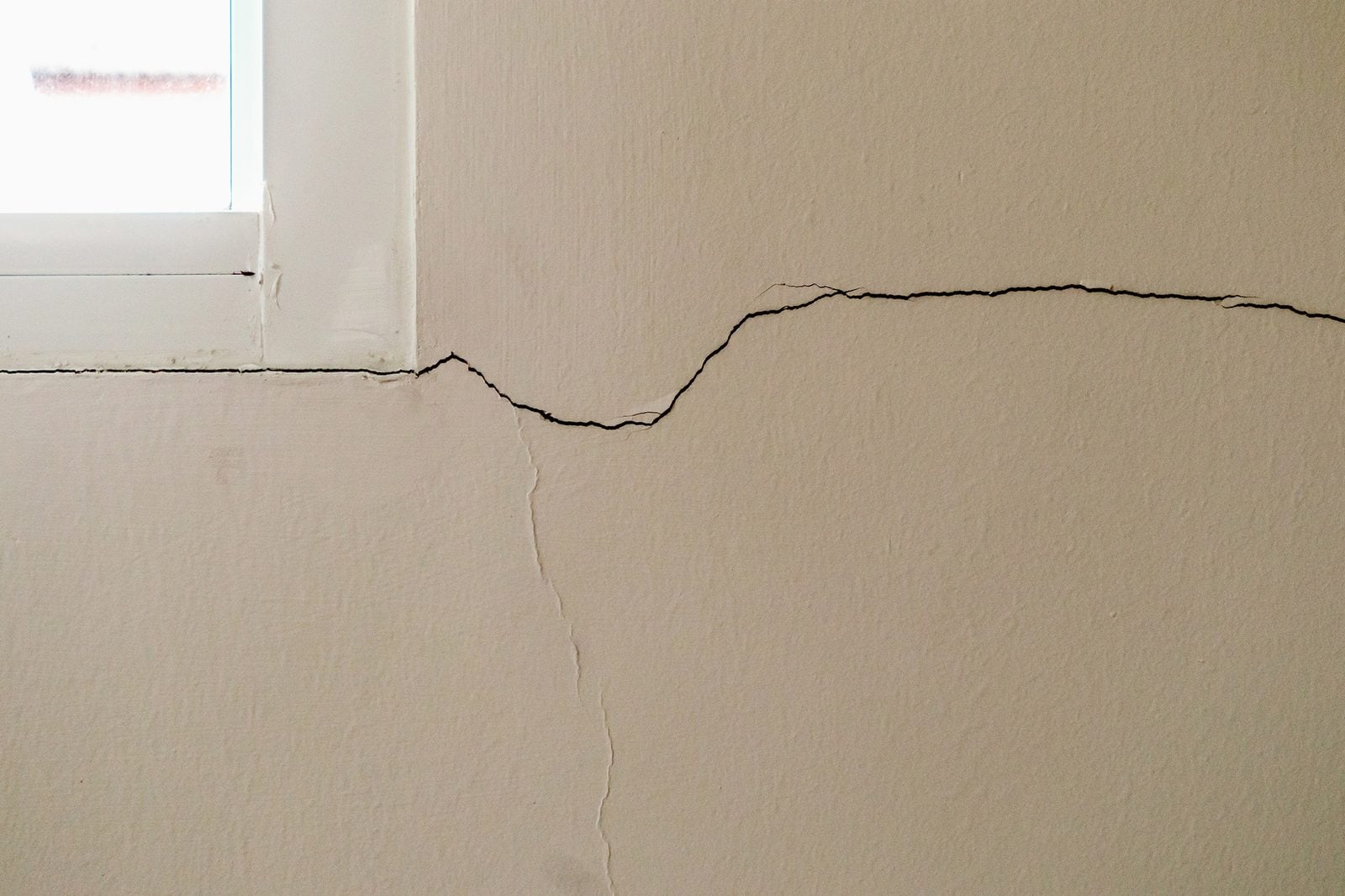
- For slab and pier-and-beam homes, waterproofing focuses on drainage and moisture control rather than basement walls.
- Expansive clay in the Blackland Prairie shrinks and swells markedly as its moisture changes.
- Water pooling on one side of a house can make the soil under that side swell more than the rest.
- Waterproofing helps limit future movement but does not level a foundation that has already settled.
- Ask for an inspection, a plain explanation of options and a written quote before any work starts.
What do foundation waterproofing services in San Antonio actually include?
Foundation waterproofing services in San Antonio mostly focus on keeping water from collecting against or under a slab or pier-and-beam house. That usually means fixing drainage, sealing gaps and cracks, and controlling moisture in crawl spaces, rather than the full basement wall coatings used in colder states.
A typical scope can include:
- Grading and drainage: shaping soil so it slopes away from the house, plus gutter and downspout changes. See drainage correction and root barriers.
- Surface or French drains: moving water from low spots and side yards to a safe outlet.
- Crack and joint sealing: closing openings in the slab edge or grade beam so water has fewer ways in.
- Crawl space moisture control: vapor barriers, vents, and drainage under pier-and-beam homes.
Do slab homes in San Antonio need waterproofing if there is no basement?
Yes, many slab homes in San Antonio benefit from water control even though they have no basement. The goal is not to seal a wall below ground. It is to stop rain and runoff from soaking one side of the slab while another side stays dry.
Basement waterproofing services are common in the Midwest and Northeast, but new homes in this region are almost all built on slabs, and other homes sit on piers and beams over a crawl space. Here, uneven soil moisture is the bigger worry. When water pools against one edge of the house, the soil there swells, and the slab can move unevenly. Keeping water flowing away from the house helps the soil stay more even.
How can I tell if water is getting to my foundation?
Water is likely reaching your foundation if you see puddles along the house after rain, soil washing away near the slab edge, or damp, musty air in a crawl space. Gutters that overflow or downspouts that empty right next to the wall are common causes.
- Standing water near the house a day after a storm
- Soil that slopes toward the house instead of away
- Stains or efflorescence (white, chalky residue) on the slab edge
- Standing water, wet insulation, or rusted metal in a crawl space
- New cracks or doors that stick after a wet spell
If you notice two or more of these, call (210) 756-5952 to be connected with a local provider who can look at how water moves around your lot.
Need help now? Call to be connected with a local provider in San Antonio who can check availability for your address.
What is the difference between crawl space waterproofing and slab drainage work?
Crawl space waterproofing deals with moisture under a raised pier-and-beam floor, while slab drainage work deals with water on the ground around a slab house. Both try to keep the soil under the home from swinging between very wet and very dry.
Under a crawl space, the work may include a vapor barrier over the soil, fixing low spots where water collects, and making sure vents and access doors are in good shape. Learn more on the crawl space repair page. Around a slab, the focus is grading, gutters, downspout extensions and drains. Some homes need a bit of both, such as an older house with an addition on a newer slab.
Can waterproofing take the place of foundation repair?
No. Waterproofing and drainage work can help limit future soil movement, but they do not lift or level a foundation that has already settled. If floors slope or cracks keep growing, an inspection should come first.
When movement is already showing, the order of work matters. A provider may suggest fixing drainage first, then watching the house through a season, or doing repairs such as piers and then correcting drainage so the same problem does not return. For severe signs, such as wide cracks or doors that will not close, ask about a structural engineer review. See foundation inspection for what an inspection covers.
Who should call about foundation waterproofing services?
Homeowners with pooling water, landlords with tenant reports of damp floors, and sellers whose inspection report mentions drainage all have good reasons to call. HOA boards dealing with runoff between homes can also ask about drainage options.
If you are buying a home, an inspection report that says "improve drainage" or "negative grade" is worth a closer look before closing. Ask the seller for any past drainage or foundation paperwork, and get your own opinion if the notes are unclear.
What happens during the visit?
During the visit, a local provider inspects the foundation and the yard, explains what is causing water to collect, and gives you a written quote before any work starts. You choose whether to go ahead.
- Inspection: a walk around the house to check grading, gutters, downspouts and the slab edge, plus a look in the crawl space if you have one. Some providers also check floor levels inside.
- Options explained: a plain-language talk about what each fix does, such as regrading, drains or crawl space moisture control, and which ones fit your home.
- Written quote: the scope of work in writing before anything begins, so you can compare and ask questions.
Call (210) 756-5952 to set up a visit.
How do San Antonio soil and storms affect foundation waterproofing?
San Antonio sits at the south end of the Blackland Prairie, which extends from north of Dallas south to San Antonio. USDA soil scientists say its Houston Black clays shrink and swell markedly with changes in moisture content, and that this very high shrink-swell potential commonly is a limitation affecting building site development. That is why steady drainage matters so much here.
Rain often comes hard and fast. The LCRA says the Texas Hill Country is known as Flash Flood Alley because it has one of the greatest risks for flash floods in the United States. The City of San Antonio's 2019 climate assessment counted 310 reported flood events in Bexar County since 1996. Then long hot spells dry the ground out again, with NWS normals showing about 122.4 days a year with highs of 90°F or above.
New construction in the region is almost all slab. NAHB reports that 97.9% of new single-family homes in the West South Central division were built on slab foundations in 2024. Homeowners in Stone Oak, Schertz, Alamo Heights, Helotes, Converse, Leon Valley, Castle Hills, Boerne and Universal City can all call (210) 756-5952 to be connected with a local provider.
Related pages
Questions people ask
What are foundation waterproofing services for a house in San Antonio?
Foundation waterproofing services in San Antonio are mostly drainage and moisture control around slab and pier-and-beam homes. They include grading, gutter and downspout changes, drains, crack sealing and crawl space vapor barriers.
Do I need basement waterproofing services if my house is on a slab?
Most San Antonio slab homes do not need basement-style waterproofing because there is no basement. What they often need is better drainage so water does not pool against one side of the slab.
Why does water pool next to my house after it rains?
Water usually pools next to a San Antonio house because the soil slopes toward the wall, gutters overflow, or downspouts empty too close. Over time, settled soil and landscaping can create low spots that hold water.
Is it bad if my flower beds hold water against the foundation?
It can be. Raised flower beds and edging in San Antonio often trap water against the slab edge, which keeps the clay soil there wetter than the rest of the house. Ask about grading and drainage fixes for beds that stay soggy.
How do I know if my crawl space has a moisture problem?
Signs of a crawl space moisture problem in a San Antonio home include musty smells, standing water, wet or sagging insulation, and rust on metal parts. Soft or bouncy floors above can also point to moisture under the house.
What is a vapor barrier in a crawl space?
A vapor barrier is a plastic sheet laid over the soil in a crawl space to limit moisture rising into the space. In San Antonio pier-and-beam homes it is often paired with drainage fixes and vent checks.
Will a French drain help my foundation in San Antonio?
A French drain can help a San Antonio foundation when water collects in one area, such as a side yard. It carries water away underground, but it needs a proper outlet and should fit an overall drainage plan.
Can gutters really make a difference for my foundation?
Yes. In San Antonio, heavy rain from a roof can dump a lot of water at a few corners of a house. Gutters that work and downspouts that carry water away from the slab spread that water out and keep it off the foundation.
Is foundation sealing the same as foundation waterproofing services?
Not exactly. Sealing closes cracks and joints so water has fewer ways in, while foundation waterproofing services in San Antonio usually cover the bigger picture of drainage, grading and crawl space moisture.
Should I fix drainage before or after foundation repair?
It depends on what an inspection finds. In San Antonio, some providers suggest fixing drainage first and watching the house, while others repair the movement and then correct drainage so it does not happen again.
Can waterproofing stop my foundation from moving?
No one can promise that. Better drainage helps the clay soil under a San Antonio home stay more even, which can limit movement, but it does not lift or level a slab that has already settled.
Do new homes in San Antonio need drainage work?
Some do. New San Antonio homes can have soil that settles near the slab in the first few years, creating low spots. Landscaping added later can also block the slope the builder set.
How can I check if my yard slopes away from my house?
Stand at the wall after a rain and watch where water goes, or lay a long straight board on the ground with a level on top. In San Antonio, soil that tilts toward the house is a common cause of pooling.
Does flash flooding affect slab foundations in San Antonio?
Heavy, fast rain in San Antonio can overwhelm gutters and yard slopes, sending water against the slab. One storm rarely causes damage by itself, but repeated soaking on one side can add to uneven soil movement.
Can a plumbing leak look like a drainage problem?
Yes. A leak under or near a San Antonio slab can make the soil wet even when it has not rained. If one spot stays damp in dry weather, ask a plumber to check for a leak before paying for drainage work.
Is foundation waterproofing worth it for a rental property?
Often, yes. For San Antonio landlords, drainage fixes can reduce tenant complaints about damp floors, pests or cracks, and they help protect the foundation between tenants.
Will my homeowners insurance pay for foundation waterproofing in Texas?
Usually waterproofing is treated as upkeep, so check your own policy. TDI lists damage to foundations or slabs as an optional add-on, and says policies won't cover a continuous water leak.
What should I ask before hiring someone for foundation waterproofing services?
Ask what is causing the water, what each fix will do, and what is in the written quote. In San Antonio, also ask how the plan handles heavy storm runoff and dry summer months.
Do homes in the Hill Country near Boerne need different drainage than homes in town?
Homes on slopes around Boerne and Helotes may get more runoff from uphill, while flatter lots in places like Converse may struggle with standing water. A provider should look at your own lot.
Who do I call for foundation waterproofing services in San Antonio?
Call (210) 756-5952 to be connected with a local provider in San Antonio. They can inspect your foundation and yard, explain options and give you a written quote before work starts.
Talk to someone about your foundation problem
Call to be connected with a local provider who can check availability for your address and explain the next step.