Residential Foundation Repair in San Antonio After Summer
Residential foundation repair in San Antonio often starts in late summer and fall, when months of heat have dried and shrunk the clay soil under a home and the first heavy rains make it swell again. If new cracks, sticking doors or sloping floors show up as seasons change, call to get an inspection.
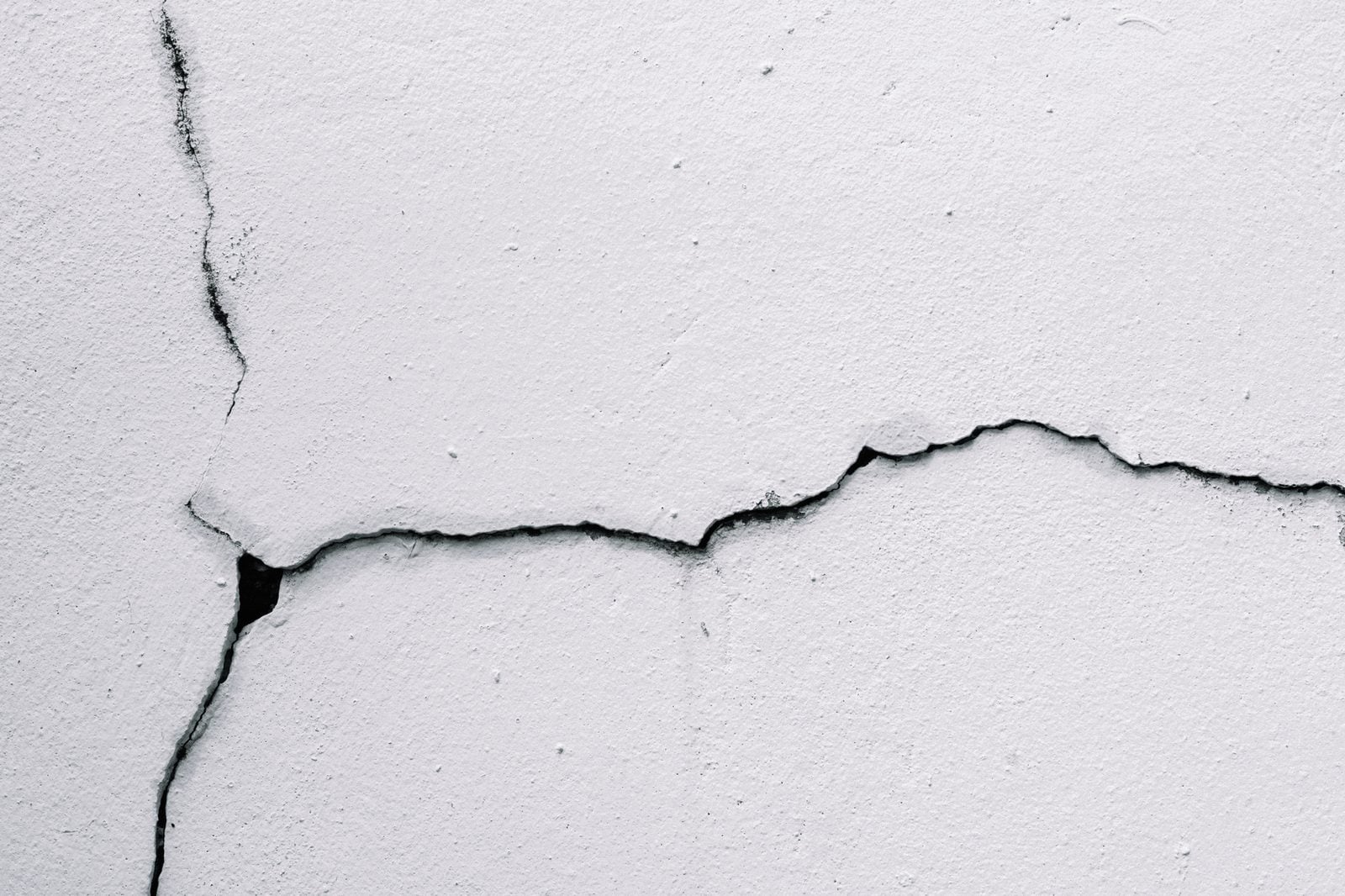
- Expansive clay under much of the San Antonio area shrinks when dry and swells when wet, so a house can move with the seasons.
- San Antonio averages about 122.4 days a year with highs of 90°F or above, which dries out the soil around a slab.
- Seasonal cracks that open in summer and partly close in winter can be normal, but cracks that keep growing need a closer look.
- Most residential foundation repair in the area is on concrete slabs, with some older homes on pier and beam.
- Ask for an inspection, a plain explanation of options and a written quote before any work starts.
Why do San Antonio foundations move more at certain times of year?
San Antonio foundations move with the seasons because much of the area sits on expansive clay that shrinks as it dries in summer and swells when fall and winter rains soak in. The soil under a slab does not dry or wet evenly, so one part of the house can drop or rise more than another.
That uneven movement is what shows up as new cracks, gaps and doors that stop closing. A little seasonal shifting is common. Steady, one-way movement over several seasons is what usually leads to residential foundation repair.
What does residential foundation repair in San Antonio usually involve?
Residential foundation repair in San Antonio usually means finding why the house is moving, then choosing a fix such as piers under the low areas, leveling, crack repair, or drainage and moisture changes around the slab. The right mix depends on what an inspection finds, not on the season you call.
- Piers and underpinning: supports that carry weight down to firmer ground. See foundation piers and underpinning.
- Leveling: lifting low sections so floors sit closer to level.
- Crack repair: sealing cracks so water and pests stay out.
- Drainage and root barriers: steadier soil moisture near the house.
If you are unsure what your home needs, call to be connected with a local provider who can explain each option.
What foundation signs should I check after a hot, dry summer?
After a hot, dry summer, check for gaps between the soil and the slab edge, new or wider cracks in brick and drywall, and doors or windows that stick or will not latch. These signs often appear when the clay has pulled back from the foundation.
- A visible gap where the yard meets the slab
- Stair-step cracks in brick or mortar
- Diagonal cracks above door frames
- Baseboards pulling away from the floor
- Floors that feel like they slope toward one corner
Take dated photos now. They help a provider see whether things change once the rain returns.
Need help now? Call to be connected with a local provider in San Antonio who can check availability for your address.
Can fall and winter rain make foundation problems worse?
Fall and winter rain can make some foundation problems look worse, because dry clay swells quickly when it gets wet and can push up on parts of a slab. Water that pools on one side of the house adds to the uneven movement.
Watch where water goes during the next storm. Gutters that overflow, downspouts that dump next to the slab, and low spots that hold water are worth fixing. Our drainage correction and root barriers page explains how these changes work alongside repair.
Do seasonal cracks always mean I need foundation repair?
No. Seasonal cracks that open a little in summer and close again in cooler, wetter months can be normal for homes on clay soil. The warning sign is a crack that keeps getting wider each year, has one side higher than the other, or shows up with other signs of movement.
Mark each end of a crack with a pencil and the date, then check it again a few months later. If it grows, call to schedule an inspection. Our guide to foundation crack repair covers how cracks are checked.
Is there a better season to schedule residential foundation repair?
There is no single right season for residential foundation repair in San Antonio. If your home is showing fast changes, it makes sense to get it checked now rather than wait for a calendar date. If changes are slow, timing is more flexible.
Ask the provider how the season might affect their readings and the plan they suggest.
What happens during the visit?
During the visit, the provider inspects your home, explains what is causing the movement, walks you through your options, and gives you a written quote before any work begins. You decide what to do once you have it in writing.
- Inspection: a walk around the outside, a look at cracks, doors and windows, and often floor level readings inside.
- Options explained: how piers, leveling, crack repair or drainage changes would address the cause, and what each one leaves alone.
- Written quote: the scope of work in writing, so you can compare plans or ask a structural engineer to review them.
If signs are severe, ask for a qualified inspection or an engineer right away. Our foundation inspection page explains what a full check covers.
How do San Antonio heat, clay and storms affect residential foundations?
San Antonio sits at the south end of the Blackland Prairie, which extends from north of Dallas south to San Antonio. USDA soil scientists describe its Houston Black clays as highly expansive soils that shrink and swell markedly with changes in moisture content, and report cracks 1/2 to 4 inches wide at 12-inch depths during dry periods.
The heat drives that drying. NWS normals show about 122.4 days a year with highs of 90°F or above in San Antonio, and the city tied its July record high of 107°F on July 11, 2022. Winters are mild by comparison, with about 14 days a year at or below 32°F, although the February 2021 storm kept San Antonio International Airport below freezing for 4 days 12 hours.
Heavy rain is part of the cycle too. The LCRA says the Texas Hill Country is known as Flash Flood Alley because it has one of the greatest flash flood risks in the United States. Homes in Alamo Heights, Helotes, Stone Oak, Leon Valley, Castle Hills and Universal City all deal with the same swing between dry and wet. If you plan to look at your homeowners policy, TDI lists damage to foundations or slabs as an optional endorsement, so check your own policy for that add-on.
Related pages
Questions people ask
What is residential foundation repair?
Residential foundation repair is work that stops or corrects movement under a house, such as piers, leveling, crack repair and drainage fixes. In San Antonio, most of it is on concrete slabs sitting on clay soil.
Why does my foundation seem to move every summer in San Antonio?
Clay soil under many San Antonio homes shrinks as it dries in summer heat. When the soil under one part of the slab dries faster than another, that part can drop a little and new cracks appear.
Is it normal for cracks in my house to open in summer and close in winter?
It can be normal on expansive clay. A crack that opens and closes about the same amount each year is less worrying than one that gets wider every year or shows one side higher than the other.
Can heavy rain after a drought damage my foundation?
Heavy rain after a dry spell can make clay swell fast and push unevenly on a slab. Pooling water near the house makes this worse, so check your gutters, downspouts and grading.
When is the right time of year to get residential foundation repair in San Antonio?
There is no single right time. If cracks, doors or floors are changing quickly, get an inspection now. If changes are slow, ask the provider whether they would like to compare readings across seasons.
How do I know if my house needs foundation repair or just drainage work?
An inspection tells you. If the house has already moved a lot, it may need piers or leveling. If movement is mild, better drainage and steadier soil moisture may be part of the plan.
Should I water my foundation during a San Antonio summer?
Some people use a soaker hose near the slab to keep soil moisture more even, but watering is not a sure way to prevent damage. Follow current SAWS or local watering rules, and ask a provider what makes sense for your yard.
What are the first signs of foundation problems in a slab house?
Common early signs are sticking doors, cracks above door frames, stair-step cracks in brick and gaps at baseboards. One sign alone may be minor, but several together point to movement.
Do trees near my house make seasonal foundation movement worse?
Large trees can pull a lot of moisture from clay soil near a slab, especially in summer. That can add to uneven drying, which is why some plans include root barriers.
When does it make sense to hire a structural engineer for my house?
An engineer is a good idea when signs are severe, when you are buying or selling, or when providers disagree on the plan. An engineer gives an independent review of what the house needs.
Does a hard freeze in San Antonio affect my foundation?
San Antonio averages about 14 days a year at or below freezing, so frost is not the main cause of foundation movement here. Soil moisture swings from heat and rain usually matter more.
What should a written residential foundation repair quote include?
It should name the cause of the movement, the work to be done, where on the house it happens, and any drainage changes that go with it. Compare quotes line by line.
Could a slab leak be why my floor cracked in just one spot?
It could be. A slab leak can soften soil in one spot and cause cracks or a damp floor area. If you see that pattern, ask the inspector whether a plumbing check makes sense too.
Will my home insurance help if my foundation shifts after a dry summer?
It depends on your policy. TDI lists damage to foundations or slabs as an optional endorsement, so read your own policy or ask your agent before assuming anything.
Who do I call for residential foundation repair in San Antonio?
Call (210) 756-5952 to be connected with a local foundation provider. They can inspect your home, explain your options and give you a written quote before any work starts.
Talk to someone about your foundation problem
Call to be connected with a local provider who can check availability for your address and explain the next step.