Foundation Problem Warning Signs
Most people do not notice a foundation. They notice a door that stopped latching. Here is what San Antonio homeowners tend to see first, and which of those signs are worth acting on.
- Upfront Quotes
- Slab & Pier and Beam
- Residential & Commercial
By the San Antonio Foundation Fix team · Updated September 2026
It Usually Starts With a Door
Almost nobody calls about their foundation. They call about a door. The back door that closed fine in March needs a shove by August, or a bedroom door swings open on its own when it used to stay put. What has happened is that the frame is no longer square, because the floor under one side of it has moved.
Doors are sensitive to very small amounts of movement, which makes them an early warning system. A single sticking door in a humid week is nothing. Several doors in the same part of the house, changing over a season and not coming back, is a pattern worth measuring.
Cracks That Mean Something
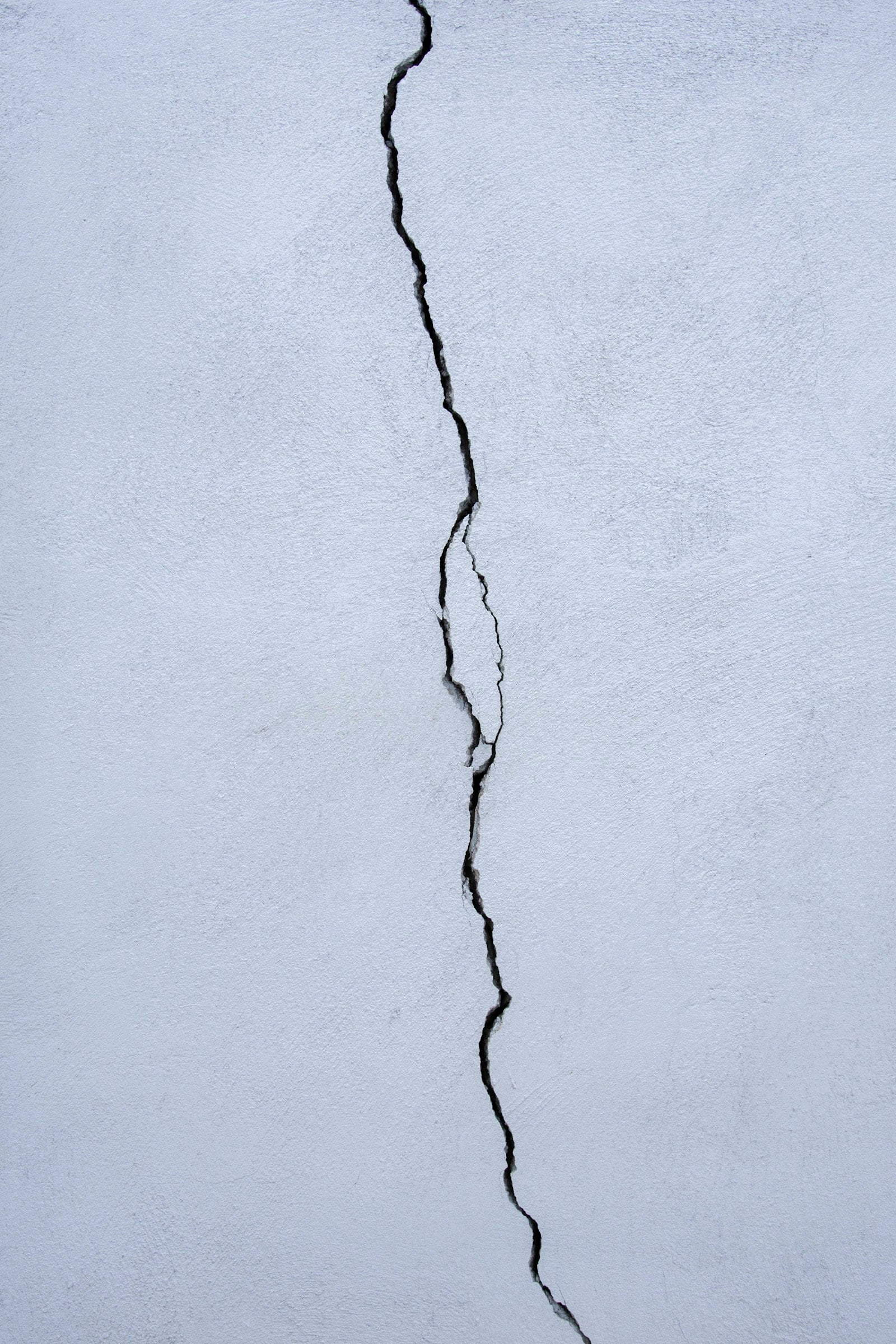
Drywall cracks are common in every house. The ones that tell you about the foundation run at an angle from the top corner of a door or window frame, because that corner is the weakest point in the wall and the first place a racking frame shows up.
Outside, look at the brick. Movement follows the mortar joints, so it climbs the wall in a stair-step pattern rather than cutting straight through the bricks. Widening at the top of that crack, or a gap where the brick meets the window frame, says the wall is leaning away.
Width and change matter more than length. A long hairline that has looked the same for ten years is far less interesting than a short crack that has opened noticeably since last summer.
Floors, Trim and Cabinets
Sloping floors are easy to test and hard to argue with. Put a ball or a marble down in the middle of a room and see whether it rolls the same direction in every room. Look for a gap under the toe kick of the kitchen cabinets, or a counter that has pulled away from the wall.
In older homes on piers and beams, the symptom is different: floors that bounce or feel soft, and gaps opening between the baseboard and the floorboards. That is the frame losing support underneath rather than a slab dropping.
Outside the House
Walk the perimeter after a long dry spell. Soil that has pulled away from the slab edge, leaving a gap you could put your hand into, is the clearest possible sign that the clay is shrinking. That is the same shrinkage happening under the house, where you cannot see it.
Check where the patio meets the house, whether the driveway has dropped at the garage, and where the downspouts empty. Water discharging at a corner keeps that spot swollen while the rest of the perimeter dries out, and uneven moisture is the thing foundations dislike most.
What This Looks Like in San Antonio
In Bexar County the pattern depends on where you are. South and east of downtown, and across the east side, deep clay swells in a wet winter and shrinks back through a dry summer, so cracks open in August and close again after a run of rain. That seasonal rhythm is the local signature.
North of the Balcones fault line the ground is limestone and caliche, often shallow, with clay in the low pockets between. Houses there can have one half sitting on rock and the other on fill, and the cracking follows the line between them rather than spreading evenly.
Older inner neighborhoods add another variable, because a 1930s pier and beam house with a later slab addition has two systems moving at different rates. See foundation repair in Alamo Heights for how that plays out on those streets.
What Not to Do
Do not patch the cracks before you get them looked at. Filler hides the width and direction that an inspector reads to work out what is happening. Photograph them instead, with a coin or a tape measure in the shot for scale, and note the date.
Do not try to jack up any part of the house yourself. Lifting a structure without knowing where the loads run can crack walls, break lines under the floor and turn a manageable repair into a large one.
Arrange an Inspection
If two or three of these signs describe your house, the next step is measurement rather than speculation. A foundation inspection takes elevation readings across the floor and tells you whether the movement is still active. Read which cracks matter next, and if piers come up, the pier comparison explains the options. San Antonio Foundation Fix covers San Antonio and the surrounding communities — request a visit with a description of what you have seen.