How to Fix Cracks in Drywall in San Antonio
How to fix cracks in drywall in San Antonio comes down to two steps: patch the crack with tape and joint compound, then watch whether it comes back. Hairline cracks are usually cosmetic. Cracks that return, run diagonally from door corners or come with sticking doors can point to foundation movement, so call to be connected with a local provider.
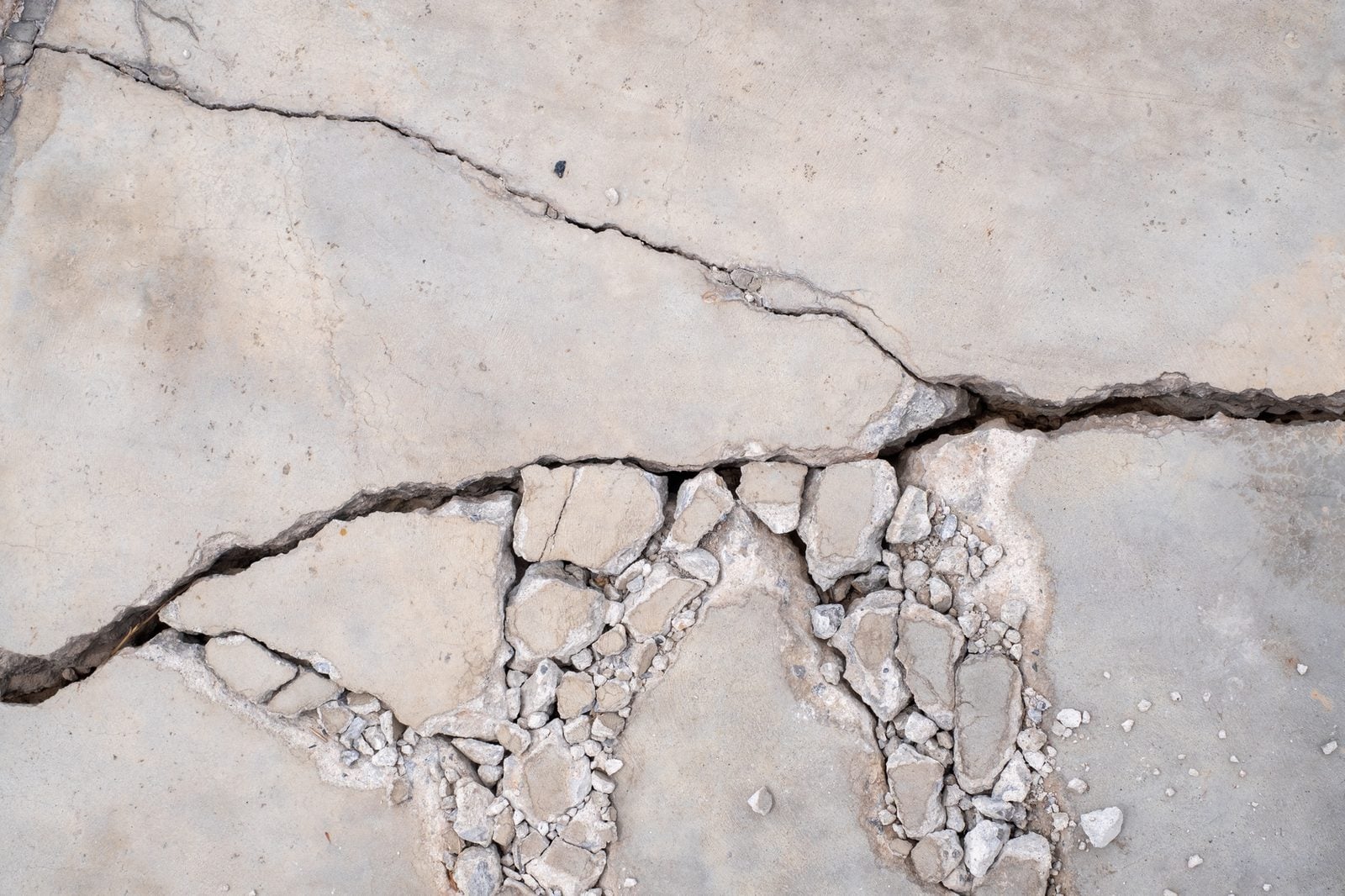
- Most small drywall cracks can be patched with mesh or paper tape, joint compound, light sanding, primer and paint.
- A crack that reopens after a careful patch is a sign the wall is still moving, and more mud will not stop it.
- Diagonal cracks from the corners of doors and windows, plus sticking doors, are common signs worth a foundation inspection.
- The Blackland Prairie, with highly expansive clays that shrink and swell with moisture, extends from north of Dallas south to San Antonio.
- If cracks are wide, growing or paired with sloping floors, have a qualified foundation inspector or engineer look before you patch.
How to fix cracks in drywall: what are the basic steps?
To fix cracks in drywall in a San Antonio home, widen the crack slightly, clean out loose material, cover it with mesh or paper tape, spread thin coats of joint compound, sand smooth between coats, then prime and paint. Small hairline cracks take a weekend because each coat needs time to dry.
- Look first. Note the crack's direction, length and width, and take a dated photo with a ruler or coin beside it. You will want this record later.
- Open the crack a little. Use a utility knife to cut a shallow V along the crack and scrape off loose paper, paint and gypsum dust.
- Tape it. Self-adhesive fiberglass mesh tape is easy for beginners. Paper tape is stronger on corners but must be bedded in a thin layer of compound first.
- Apply compound in thin coats. Use a 6-inch knife for the first coat and a wider knife for the next one or two, feathering each coat a few inches past the last.
- Sand lightly. Use a fine sanding sponge between coats. Stop when the edges blend into the wall.
- Prime and paint. Joint compound soaks up paint differently than the wall, so prime the patch before you paint or it may show through.
What tools and materials do I need to repair a drywall crack?
For a typical drywall crack repair in San Antonio, you need a utility knife, 6-inch and 10-inch taping knives, mesh or paper tape, premixed or setting-type joint compound, a fine sanding sponge, a dust mask, drop cloths, primer and matching paint. A stable step ladder matters for ceiling cracks.
Premixed lightweight compound is easy to work with and sands well. Setting-type compound, sold as a powder you mix with water, hardens by chemical reaction and shrinks less, which helps on deeper cracks. Many people use setting-type for the first coat and premixed for the finish coats.
Protect your eyes and lungs. Sanding makes fine dust, so wear a dust mask and safety glasses, close off the room and use a damp cloth to clean up. For ceiling cracks, keep the ladder on a flat floor and do not overreach.
Should I use mesh tape or paper tape on drywall cracks?
Use mesh tape for flat-wall cracks if you are new to drywall work, and paper tape for inside corners or cracks at the joint between wall and ceiling. Mesh is self-adhesive and forgiving. Paper tape creases cleanly for corners and resists cracking again when it is bedded well.
If you choose mesh tape, pair it with a setting-type compound for the first coat. Mesh is thinner and more flexible than paper, and the harder compound adds strength. If you choose paper tape, wet it lightly, press it into a fresh bed of compound and squeeze out the extra with your knife so no air bubbles stay behind.
Do not try to fill a crack with caulk or spackle alone. Caulk stays soft and shows through paint, and spackle without tape tends to crack again along the same line.
Need help now? Call to be connected with a local provider in San Antonio who can check availability for your address.
Why do drywall cracks keep coming back in San Antonio homes?
Drywall cracks in San Antonio homes usually come back because the framing behind them is still moving. Seasonal changes in humidity, normal settling and shifting clay soil under a slab can all flex the wall. Tape and mud cover the crack, but they cannot stop movement in the structure.
Some movement is normal. Lumber shrinks as it dries, and seams over doors and windows are natural weak spots. A crack that comes back once, in the same thin line, is often just that.
A different pattern deserves more attention: cracks that come back wider, show up in several rooms at once, or appear along with doors that stick or drag. Those can be signs the foundation is shifting, and patching again will only hide the evidence. Keep your dated photos so an inspector can see how the crack has changed.
Which drywall cracks are a sign of foundation problems?
Drywall cracks that may signal foundation movement in San Antonio include diagonal cracks running from the corners of doors and windows, stair-step or zigzag cracks, cracks wider at one end, and cracks where the wall meets the ceiling. Pair those with sticking doors or sloping floors and an inspection is a good idea.
- Usually cosmetic: thin vertical cracks along a seam, nail pops, and small cracks over a door header that stay the same size.
- Worth watching: cracks that return after a good patch or grow over a season.
- Worth an inspection: diagonal cracks at several door or window corners, gaps between walls and ceilings, doors that will not latch, windows that stick, and new cracks in brick or tile.
No crack pattern proves a foundation problem on its own. A qualified foundation inspector or structural engineer can measure floor levels and explain what is going on. Our guide on which foundation cracks matter covers slab and exterior cracks.
Should I patch drywall cracks before or after foundation repair?
Patch drywall cracks after any needed foundation repair, not before. If a San Antonio house is being leveled or supported, the walls can shift again during the work, and fresh patches may crack. Waiting also keeps the crack visible so an inspector can judge its size and pattern.
If you are only watching a crack, mark its ends with a pencil line and the date. Check it every few weeks. If it grows past your marks, note that in your records. When repair work is finished, give the house some time to settle before you tape, mud and paint, and ask the provider what they suggest.
What happens during a foundation inspection visit?
During a foundation inspection visit in San Antonio, the provider looks at interior cracks, doors and windows, checks floor levels, walks the outside of the house and looks at drainage. Then they explain what they found, walk you through your options and give you a written quote before any work begins.
Bring your dated crack photos and a list of when problems started. Ask what is causing the movement, whether drainage or plumbing could play a part, and whether an engineer's report makes sense. You decide whether to move forward. Learn more on our foundation inspection page.
Does San Antonio clay soil cause drywall cracks?
It can. The Blackland Prairie extends from north of Dallas south to San Antonio, and USDA NRCS describes its Houston Black soils as highly expansive clays that shrink and swell markedly with changes in moisture. When that soil swells after rain and shrinks in drought, a slab can move, and drywall is often where the movement shows first.
Heat makes the dry swings sharper. NWS normals show San Antonio averages 122.4 days a year with highs of 90°F or above, and the city tied its July record high of 107°F on July 11, 2022, during a record-warm May, June and July. The NRCS soil description reports Houston Black cracks 1/2 to 4 inches wide at 12-inch depths during dry periods.
Most newer homes here sit on slabs. NAHB reports that 97.9% of new single-family homes in the West South Central division, which includes Texas, were built on slab foundations in 2024. Whether you live in Alamo Heights, Stone Oak, Schertz or Converse, the same pattern applies: repeat cracks after a hot, dry stretch are worth a closer look. If you are weighing repairs, check your homeowners policy for a foundation or slab endorsement, which TDI lists as an optional add-on. See our Schertz foundation repair page for local details.
Related pages
Questions people ask
How do I fix cracks in drywall myself?
Cut a shallow V along the crack, cover it with mesh or paper tape, apply two or three thin coats of joint compound, sand between coats, then prime and paint. If the crack keeps coming back in your San Antonio home, call to be connected with a local provider for an inspection.
What is the easiest way to fix a hairline crack in drywall?
For a hairline crack, scrape it clean, apply self-adhesive mesh tape, and cover it with thin coats of lightweight joint compound. Sand lightly, prime and paint so the patch blends in.
Can I just put spackle or caulk in a drywall crack?
Not for a real crack. Spackle without tape usually cracks again along the same line, and caulk stays soft and shows through paint. Tape plus joint compound holds up much better.
Why does the crack in my drywall keep coming back after I patch it?
The wall behind it is still moving. That can be normal seasonal movement, but in San Antonio it can also come from clay soil shifting under the slab. If the crack returns wider or new cracks appear, have the foundation inspected.
Are diagonal cracks above doors a sign of foundation problems?
They can be. Diagonal cracks running from the corners of doors and windows are a common sign of foundation movement, especially when doors also stick or will not latch. A foundation inspection can tell you whether the house is moving.
How do I know if a drywall crack is serious or just cosmetic?
Thin cracks along seams that stay the same size are usually cosmetic. Cracks that grow, run diagonally, are wider at one end or show up with sloping floors and sticking doors are more serious and worth an inspection.
Should I use mesh tape or paper tape to fix drywall cracks?
Mesh tape is easier for beginners on flat walls. Paper tape works well for inside corners and wall-to-ceiling joints. Either works if you bed it properly and use thin coats of compound.
How long does joint compound take to dry between coats?
Premixed compound usually needs several hours to overnight, depending on thickness, heat and humidity. Setting-type compound hardens on the time listed on the bag. Always let each coat dry fully before sanding.
Can clay soil in San Antonio cause cracks in my walls?
Yes, it can. The expansive clays of the Blackland Prairie, which reaches south to San Antonio, shrink and swell with moisture, and that movement can show up as drywall cracks, sticking doors and uneven floors.
Should I fix drywall cracks before or after foundation repair?
After. Walls can shift during foundation work, so patching first may waste the effort. Waiting also keeps the cracks visible so an inspector can see their size and pattern.
What does it mean when there is a crack where my wall meets the ceiling?
It can be simple seasonal movement of the framing, or it can be a sign the walls and ceiling are moving apart because the foundation is shifting. If the gap grows or appears in several rooms, get a foundation inspection.
Is it normal for a new house in Texas to have drywall cracks?
Some small cracks are common in new homes as lumber dries and the house settles. Cracks that keep growing, run diagonally or come with sticking doors are worth having checked.
How can I tell if my drywall crack is getting bigger?
Mark both ends of the crack with a pencil line and the date, and take a photo with a ruler beside it. Check every few weeks. If the crack passes your marks or gets wider, note it and share the record with an inspector.
Do sticking doors and drywall cracks together mean foundation trouble?
Together they are a common warning sign. Doors that stick or will not latch plus cracks near door frames often point to movement in the structure. A foundation inspection can confirm what is happening.
Can hot, dry summers in San Antonio make drywall cracks worse?
They can. San Antonio averages 122.4 days a year at 90°F or above, per NWS normals, and long dry stretches let expansive clay shrink. Many people notice new or wider cracks after a hot, dry season.
What tools do I need to repair a crack in drywall?
You need a utility knife, 6-inch and 10-inch taping knives, tape, joint compound, a fine sanding sponge, a dust mask, safety glasses, drop cloths, primer and paint. Use a stable ladder for ceiling cracks.
Does homeowners insurance cover foundation damage that causes drywall cracks in Texas?
It depends on your policy. The Texas Department of Insurance lists damage to foundations or slabs as an optional add-on, so check your policy for a foundation or slab endorsement and document everything.
When should I call a professional about cracks in my drywall?
Call when cracks keep coming back, grow wider, run diagonally from door or window corners, or appear with sloping floors or sticking doors. In San Antonio, call to be connected with a local provider who can inspect the foundation.
Who do I call about drywall cracks and foundation problems in San Antonio?
Call the number on this page to be connected with a local foundation provider serving San Antonio, Alamo Heights, Stone Oak, Schertz, Converse and nearby areas. They can inspect, explain your options and give you a written quote.
Talk to someone about your foundation problem
Call to be connected with a local provider who can check availability for your address and explain the next step.