Slab Foundation Repair: San Antonio Sellers
Slab foundation repair before selling a San Antonio home usually starts with one question: what did the buyer's inspector actually find? A home inspector notes signs, but a foundation evaluation explains the cause and the options. Get that written picture first, then decide whether to repair, offer a credit or adjust the price.
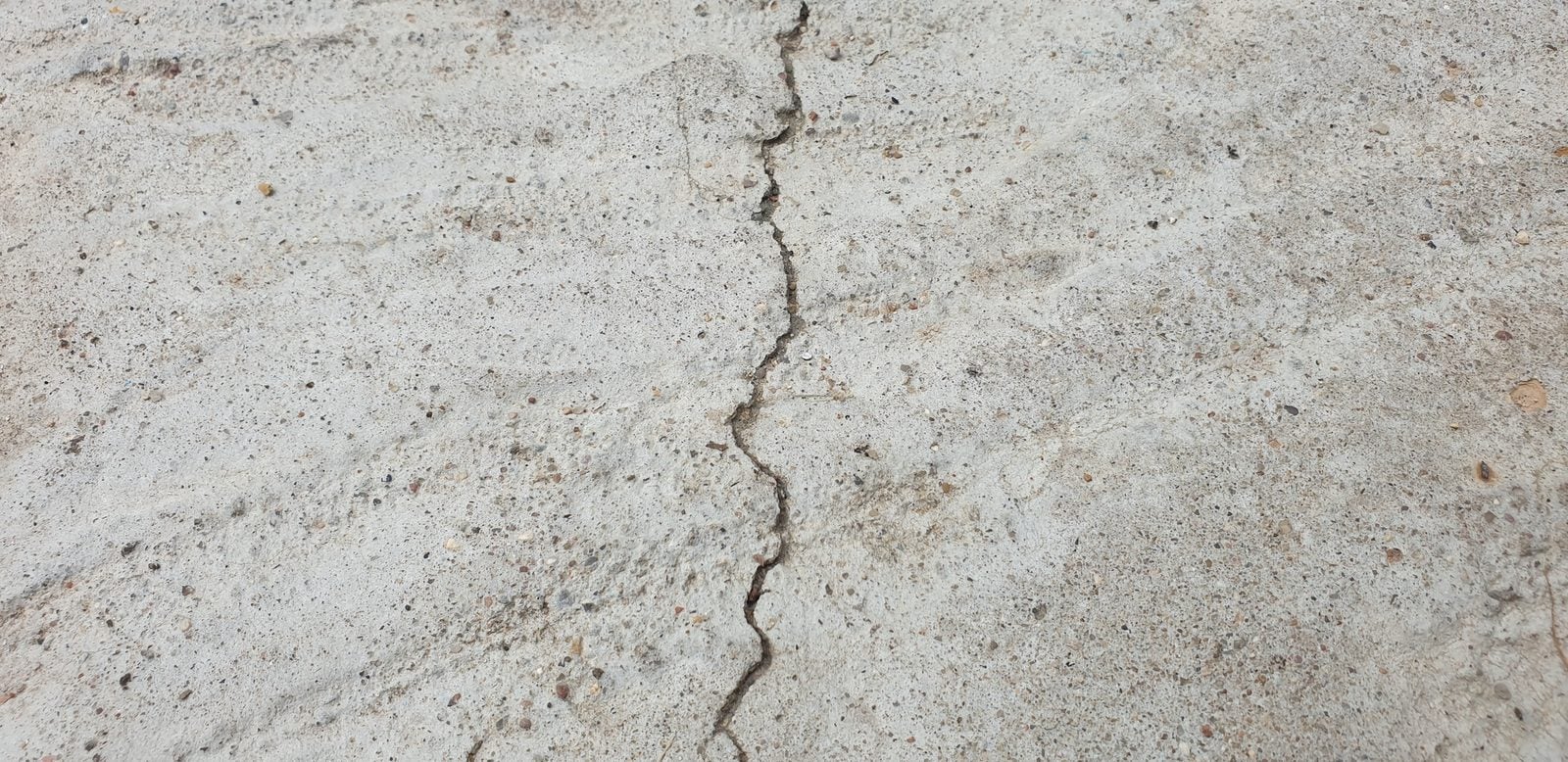
- A home inspector reports signs of movement. A foundation evaluation or structural engineer explains the cause and what to do about it.
- The Blackland Prairie, with highly expansive clay that shrinks and swells with moisture, extends from north of Dallas south to San Antonio.
- Most new homes in Texas and nearby states are built on slabs, so slab movement is a common item on San Antonio inspection reports.
- Sellers usually choose between repairing before closing, giving the buyer a credit, or lowering the price. Each needs clear paperwork.
- Keep every report, written quote and repair record. Buyers and their lenders often ask to see them.
What should I do when a buyer's inspection flags my slab foundation?
When a buyer's inspection flags your slab in San Antonio, get facts before you negotiate. Read exactly what the inspector wrote, then call to be connected with a local provider who can do a full foundation evaluation. The inspection report lists signs. The evaluation tells you whether the slab is moving, why, and what the realistic options are.
- Ask your agent for the full inspection report, not just the repair request list.
- Write down what the buyer is asking for: a repair, a credit, an engineer report, or all three.
- Do not start any repair work until you have a written evaluation and a written quote.
See our foundation inspection in San Antonio page for what a full check covers.
What signs of slab movement do San Antonio inspectors usually note?
San Antonio inspectors usually note the same slab movement signs: stair-step cracks in brick, doors that stick or will not latch, gaps at window frames or baseboards, drywall cracks above doors, and floors that feel uneven. One sign alone may be minor. Several signs in the same part of the house deserve a closer look.
Hairline cracks in concrete are common and are not always a sign of movement. Our guide on which foundation cracks matter explains the difference. If you see wide or growing cracks, a door that suddenly jams, or walls that look out of plumb, ask for an evaluation by a qualified inspector or a structural engineer.
Do I need a structural engineer report before I sell?
You do not always need a structural engineer report to sell a San Antonio home, but it often helps when the buyer's inspection mentions slab movement. Many buyers, agents and lenders put more weight on an independent engineer's letter than on a repair company's opinion. It can also set a clear scope for any slab foundation repair.
- Home inspector: notes signs and recommends further evaluation.
- Foundation repair provider: takes elevation readings, explains likely causes, and gives a written plan and quote.
- Structural engineer: gives an independent opinion and sometimes designs the repair plan.
When signs are severe, such as large cracks or doors and windows that will not operate, get a qualified inspection or engineer review before deciding anything.
Need help now? Call to be connected with a local provider in San Antonio who can check availability for your address.
Should I repair the slab, offer a credit or lower the price?
Most San Antonio sellers facing a slab issue pick one of three paths: repair before closing, give the buyer a repair credit, or lower the price and sell as-is. The right choice depends on your timeline, the buyer's loan type, how serious the movement is, and how much paperwork you can provide.
- Repair before closing: the buyer gets a finished job with records, but scheduling can take longer.
- Repair credit: the buyer handles the repair later. Some loan programs limit credits.
- Price reduction or as-is: simpler for you, but buyers may still ask for an evaluation.
Base the numbers on a written evaluation and quote. Our fix it now or wait guide covers timing in more detail.
What slab foundation repair methods might a San Antonio buyer see in a quote?
A slab foundation repair quote in San Antonio usually lists piers placed under the slab, leveling to lift low areas, and sometimes drainage or root barrier work to keep soil moisture more even. The method depends on the soil, how much the slab has moved, and the evaluation findings.
- Pressed concrete piers: concrete cylinders pressed into the soil under the slab.
- Steel piers: steel sections driven deeper where firmer soil is far down.
- Drilled piers: holes drilled and filled with reinforced concrete.
Our pressed concrete vs. steel piers comparison explains the trade-offs. For the core service, see slab foundation repair in San Antonio.
What happens during the visit?
During a slab foundation visit in San Antonio, a local provider inspects the house, explains what they found and the options, and gives you a written quote before any work starts. If you are selling, ask for the findings in a form you can share with the buyer.
- Inspection: a look at the cracks and doors on the inspection report, plus floor elevation readings across the slab.
- Options explained: the likely cause, whether repair looks needed, and which methods fit.
- Written quote: the scope, number and type of piers, any drainage work, permits, and the records you get after.
Share the inspection report ahead of time. Scheduling depends on local availability, so call early in your option period.
What paperwork should I keep for the buyer after slab foundation repair?
After slab foundation repair, keep a complete file for the buyer and their lender: the inspection note, the evaluation or engineer report, the written quote, before and after elevation readings, any permit records, and the final invoice. Clear records help a buyer feel confident about the work.
- A drawing or list showing where piers were placed.
- An engineer's follow-up letter, if one was part of the plan.
- Any written terms from the provider about future service, and whether they move to a new owner.
Ask your agent how these records fit any seller disclosure. This page does not give legal advice.
Why do so many San Antonio inspection reports mention the slab?
San Antonio sits at the south end of the Blackland Prairie, which extends from north of Dallas south to San Antonio. The USDA describes its Houston Black clays as highly expansive soils that shrink and swell markedly with changes in moisture content, with cracks 1/2 to 4 inches wide at 12-inch depths during dry periods. That is why inspectors here look closely at doors, brick and drywall.
Slabs are the norm. The National Association of Home Builders reports that 97.9% of new single-family homes in the West South Central census division, which includes Texas, were built on slab foundations in 2024.
Heat matters too. NWS normals show about 122.4 days a year with highs of 90°F or above in San Antonio, and the city tied its July record high of 107°F on July 11, 2022.
Sellers call from older streets in Alamo Heights to newer subdivisions in Stone Oak, Helotes and Schertz. Soil can change from one block to the next.
Related pages
Questions people ask
Do I have to fix my slab foundation before I sell my house in San Antonio?
No, you usually do not have to fix it, but you may need to disclose what you know. Many San Antonio sellers repair, offer a credit or lower the price. Ask your agent about disclosure rules for your sale.
Is slab foundation repair worth it before selling a home?
It can be, especially if the buyer's lender or inspector is asking for it. A finished repair with records can calm buyers, while a credit or price cut can be simpler if you are short on time. Get a written evaluation and quote first so you compare real numbers.
What does it mean when an inspector says a slab shows differential movement?
It means parts of the slab appear to have moved by different amounts. The inspector saw signs like cracks or sticking doors and is recommending a closer look. It does not by itself mean the slab needs repair.
Should I get a structural engineer or a foundation repair company first?
Either can come first, but many sellers start with an independent engineer when a buyer is involved. Buyers tend to trust an engineer's opinion that is separate from the company quoting the job. A repair provider can then quote the engineer's plan.
Can a buyer back out because of foundation problems in Texas?
It depends on the contract and where you are in it. Many buyers have an option period to walk away after inspections. Your real estate agent or an attorney can explain your specific contract.
How do I know if a crack in my slab is serious?
Wide cracks, cracks that keep growing, or cracks with one side higher than the other deserve a professional look. Thin hairline cracks are common in concrete and are not always a sign of movement. If you are unsure, get a qualified evaluation.
Is it better to give the buyer a repair credit or fix the foundation myself?
It depends on your timeline and the buyer's loan. A credit lets you close without managing a repair, while repairing first gives the buyer a finished job. Some loan programs limit credits, so ask your lender and agent.
What paperwork should I give a buyer after foundation repair?
Give them the evaluation or engineer report, the written quote, before and after elevation readings, a pier placement drawing, any permit records and the final invoice. Ask the provider in writing whether any service terms move to a new owner.
Does clay soil in San Antonio cause slab foundation problems?
Clay soil is a common factor. The Blackland Prairie, with highly expansive clay that shrinks and swells with moisture, extends south to San Antonio. Soil varies by lot, so an evaluation of your own house matters more than the general map.
Can I sell a house with foundation issues as-is in San Antonio?
Yes, many homes sell as-is with known foundation issues. Expect buyers to ask for an evaluation and to price the repair into their offer. Being upfront and sharing reports usually makes the process smoother.
How long does slab foundation repair take when I am trying to close?
It varies with the scope, scheduling and any engineer follow-up, so there is no set timeline. Call early in your option period so you know your options sooner. Ask the provider about their schedule when you get the written quote.
Does homeowners insurance cover slab foundation repair in Texas?
It depends on your policy. The Texas Department of Insurance lists foundation or slab damage as an optional add-on, so check whether your policy has that endorsement. Many policies treat sudden damage differently from gradual issues, so document everything.
Should I fix drainage before listing my house?
Often yes, because water pooling near the slab can add to soil moisture swings. Clogged gutters or downspouts that empty against the house are easy fixes. Plan bigger drainage work along with any foundation evaluation.
Will a buyer's lender require a foundation engineer letter?
Some do, especially when the appraisal or inspection mentions movement. Rules vary by loan type and lender. Ask the buyer's agent early so you are not surprised close to closing.
Who do I call for slab foundation repair before selling in San Antonio?
Call the number on this page to be connected with a local provider who can check availability for your address. Have your inspection report ready so the visit can focus on what the buyer flagged.
Talk to someone about your foundation problem
Call to be connected with a local provider who can check availability for your address and explain the next step.